
The Tyson Scholars of American Art Program
The Tyson Scholars of American Art program is a residential research and writing-focused fellowship for interdisciplinary scholars expanding the boundaries of investigation into American art. Since its inception in 2012, the Tyson Scholars program has supported over 80 scholars. Researchers from across the country and the globe have worked on books, articles, and exhibitions while in residence.
In the spirit of Crystal Bridges' mission to welcome all, the Tyson Scholars of American Art program is designed to ensure that American art scholarship reaches—and matters to—the public. The program supports opportunities for Tyson Scholars to publish, present public programs, and convene peers to advance individual scholarship and the field, both during the initial fellowship and throughout the scholar's career.
Established in 2026, the Tyson Book Prize in American Art is an annual publication award designed to support the development of significant new book-length scholarship in the history of American art. Open to Tyson Scholars of American Art applicants and current and former Tyson Scholars, the prize is a cornerstone of the sustained support the program offers beyond the initial residency.
The Tyson Scholars fellowship program and the Tyson Book Prize in American Art are made possible through the generous support of the Tyson Family Foundation.
About
Fellowships are residential and support full-time writing and research for terms that range from four to nine months, coinciding with the academic year calendar. While in residence, Tyson Scholars have access to the art and library collections of Crystal Bridges as well as the library and archives at the University of Arkansas in nearby Fayetteville.
Stipends vary depending on the scholars' experience and range from $20,000-$40,000 per semester. The residency includes $1,500 for relocation expenses and additional research funds upon application. Scholars receive a dedicated workspace in Crystal Bridges Library, and housing is provided in a fully furnished, four-bedroom residence within walking distance of the museum. Each scholar will have their own bedroom and en suite bathroom with shared living room and kitchen.
Along with access to Crystal Bridges and the Momentary (the museum’s satellite contemporary visual, culinary, and performing arts venue), scholars have access to resources, faculty, and graduate students at the University of Arkansas. In 2023, the University launched a Master of Arts in Art History/Arts of the Americas program in partnership with Crystal Bridges, bringing new faculty to the region. The Crystal Bridges curatorial staff is also growing, with the addition of a curator of Indigenous art and the Windgate Curator of Craft in 2023. Crystal Bridges is nestled into an Ozark ravine on 134 acres of land. Art, architecture, and nature combine to make this location unique.
At Crystal Bridges, scholarship is not only something we support; it is something we want to share. Tyson Scholars are invited to work with museum teams to transform their research into compelling public experiences, from programs and community-based projects to digital content and scholarship-based storytelling. These collaborations give scholars opportunities to experiment with new ways of communicating complex ideas while helping audiences discover the questions, stories, and insights behind research in American art.
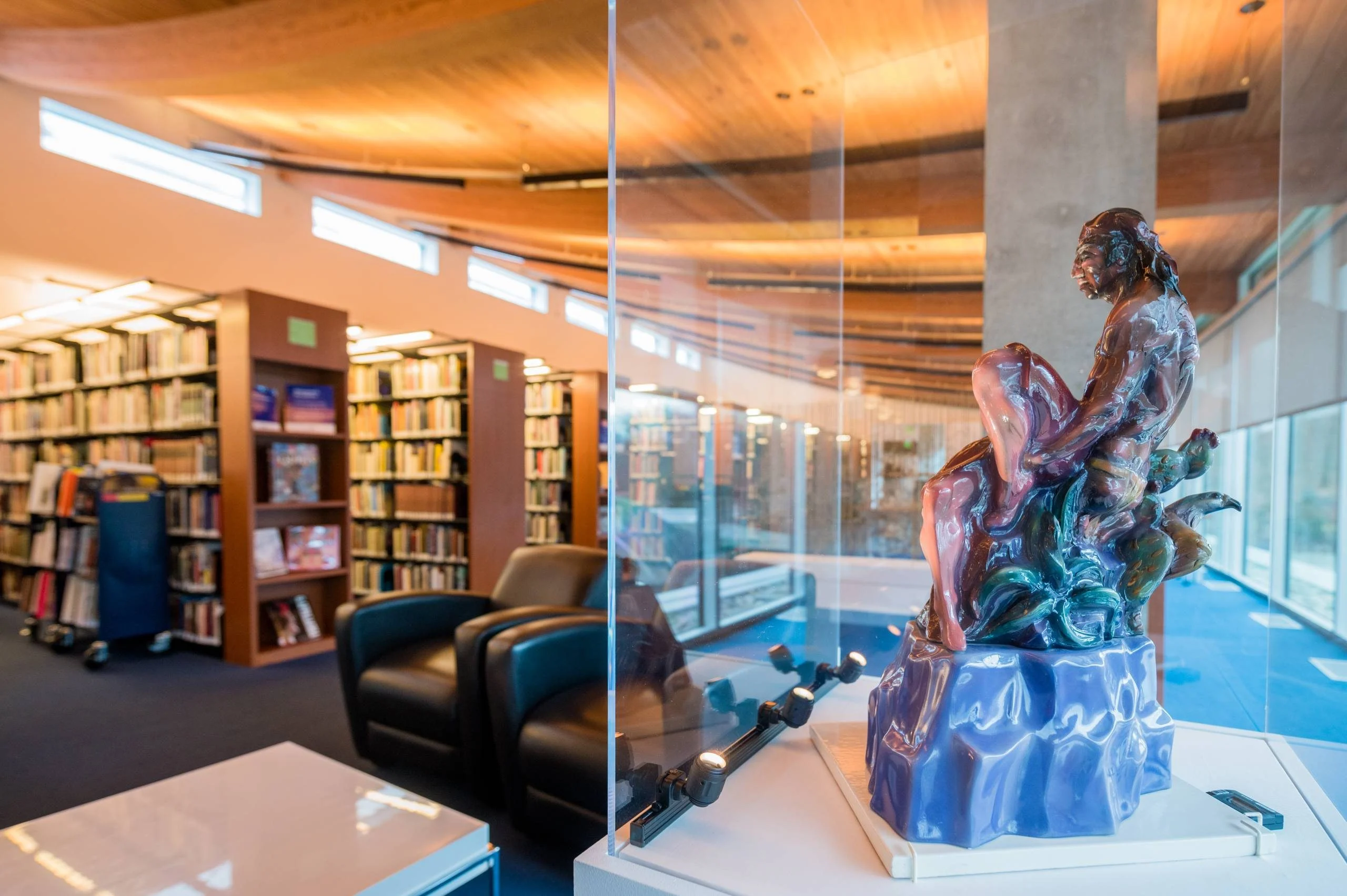
The Tyson Scholars program provides a close-knit community and ideal environment to accomplish writing. The Crystal Bridges’ collection and library, in combination with the region’s resources, made this fellowship program one of the most productive and beneficial that I participated in while completing my dissertation. Northwest Arkansas is a growing community with great potential to contribute to a robust dialogue on American art.
— Matthew Limb, PhD, 2022–2023 Tyson Scholar
2027 - 2028 Application
We are accepting applications for 2027-28 Tyson Scholars of American cohort through January 4. Scholars selected for the cohort will be notified by March 15.
Apply NowQuestions?
Not sure if this fellowship is for you? Check out our FAQ for a more detailed list of eligibility requirements, or reach out to TysonScholars@crystalbridges.org.
FAQs2026 - 2027 Tyson Scholars
Gabrielle Christiansen
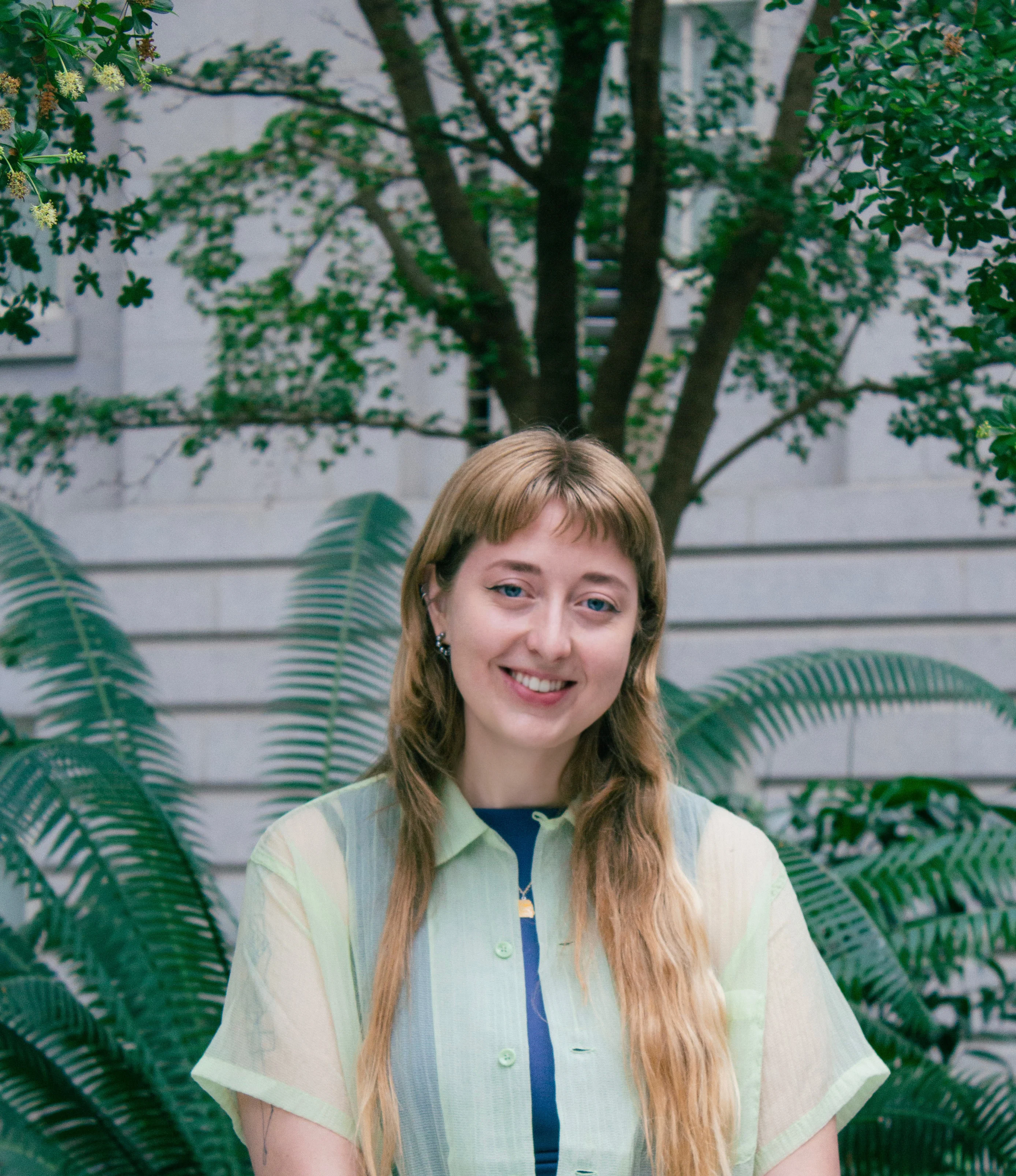
Gabrielle Christiansen is a PhD candidate in Art History at Northwestern University, where she studies 20th century artist-built environments of the United States. Her dissertation examines the creation and municipally-sanctioned dismantling of four art environments constructed with salvaged materials in landscapes of impending urban redevelopment. Mobilizing frameworks from the fields of discard studies, ecocritical art history, and urban planning, Christiansen analyzes the embattled debates which emerged around each artist’s work amid local eminent domain incursions, illuminating how art environments have applied pressure to top-down land management schemes, unsettled taxonomies of art and architecture, and provided valuable sites for skill-sharing and commoning within private property landscapes.
Christine Kierig
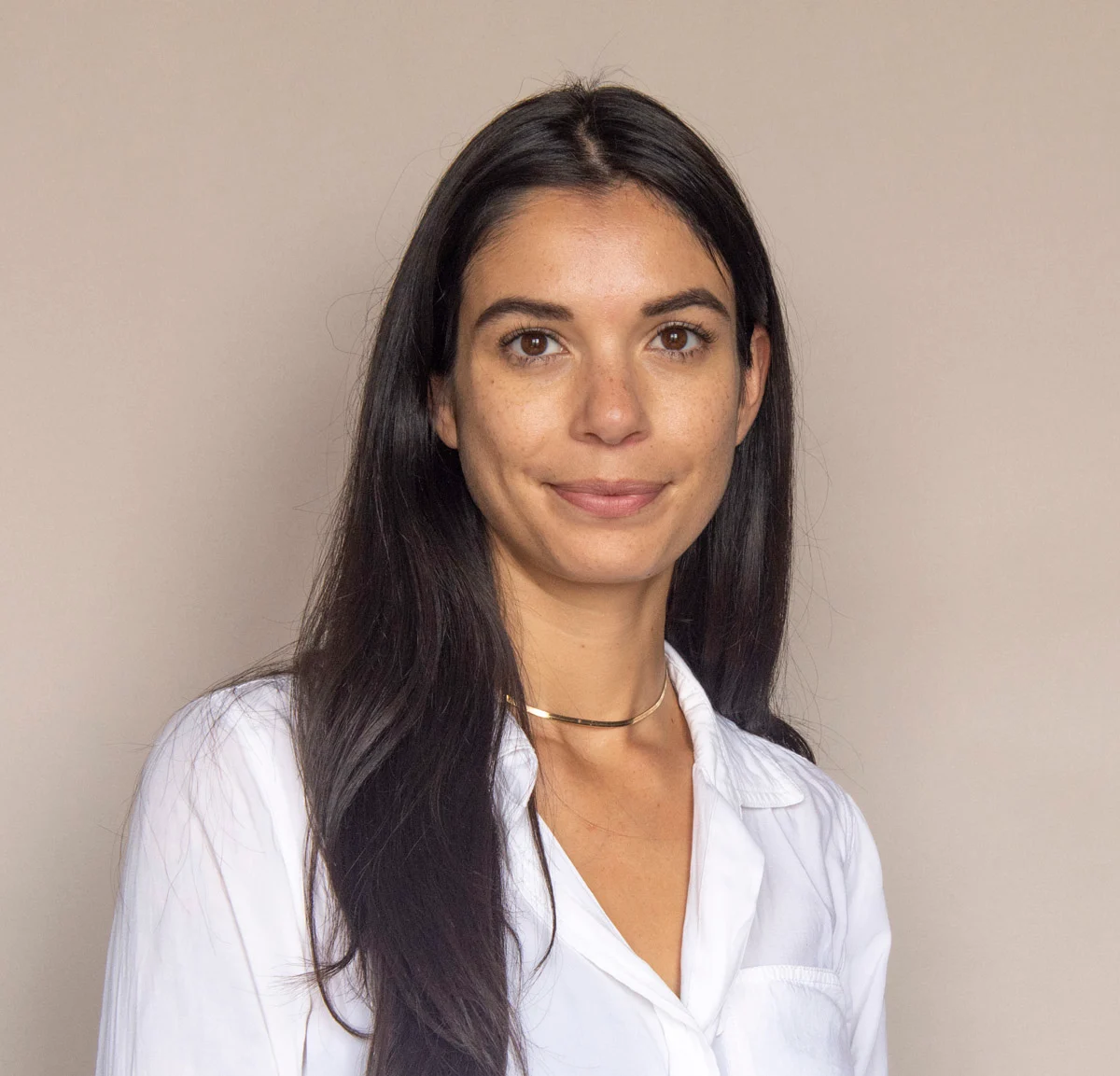
Christine Kierig is a PhD candidate in History of Art at UC Berkeley with a specialization in modern art of the Americas. Her dissertation studies the public art projects of two Spanish exiles for peripheral, North American cultural institutions—a rural luxury hotel in Mexico, a liberal arts university in Missouri, and the film and cinema industries in both the U.S. and Mexico. Ms. Kierig previously served as a Curatorial Assistant at the Legion of Honor Museum in San Francisco. Her research has been supported by the Mellon Foundation, the Henry Luce Foundation, and the Mexican government, among others.
Fall 2026 Tyson Scholars
Alex Del Dago
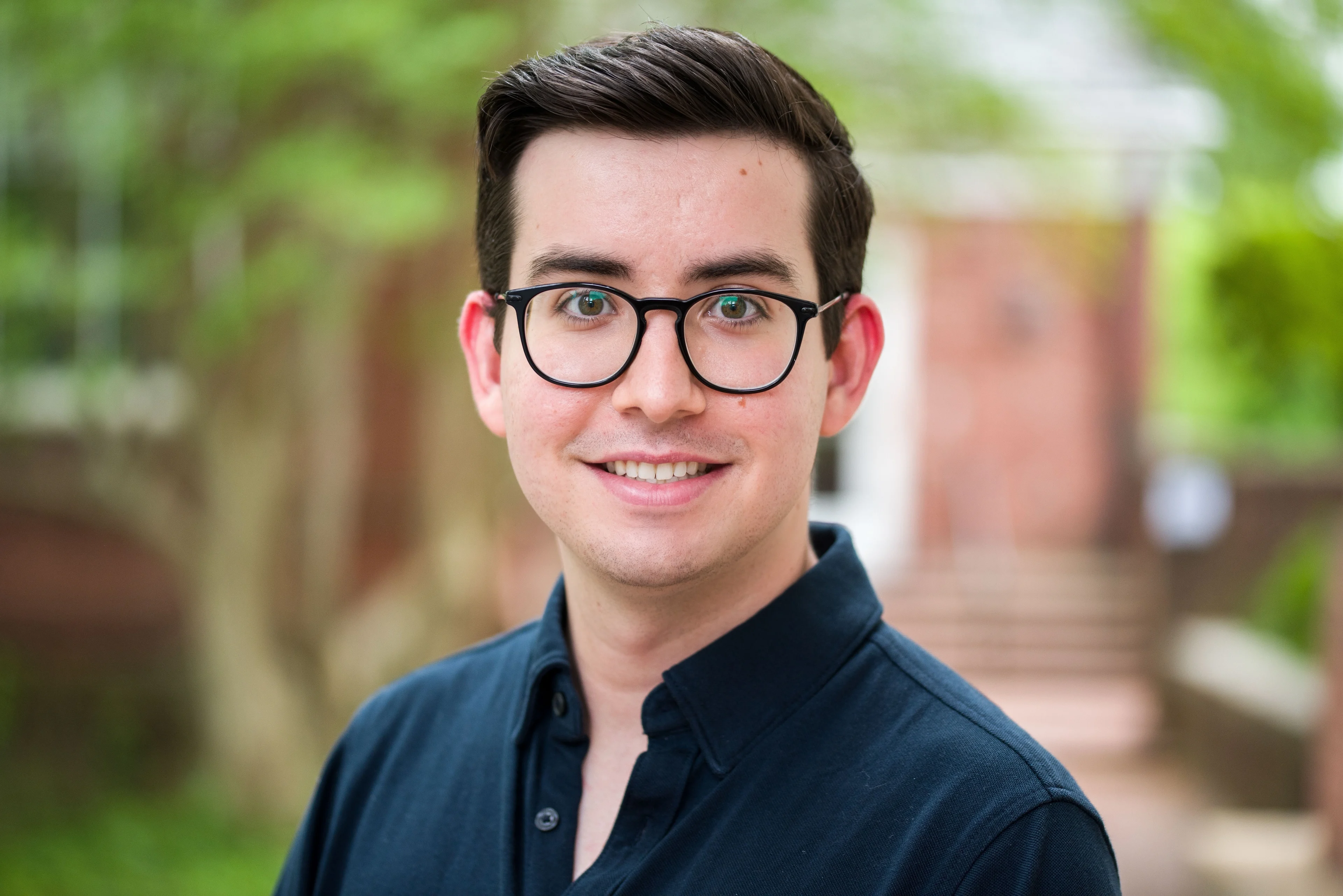
Alex Del Dago is a PhD Candidate in Art & Architectural History at the University of Virginia. He studies, writes, and works in the field of Modern & Contemporary American Art, with an emphasis on gender & sexuality, labor history, and figurative art. Currently, he is developing his dissertation, which examines how queer artists in the twentieth-century United States deployed representations of the working class and laboring body to address the alienation experienced by gay and working-class communities. This project investigates how figurative art became a site for challenging normative narratives about both labor and sexuality, revealing overlooked histories of solidarity and resistance. By placing queer studies in dialogue with labor history and art history, his work seeks to contribute to broader conversations about how art articulates social and economic struggles.
Brittany Rosemary Jones
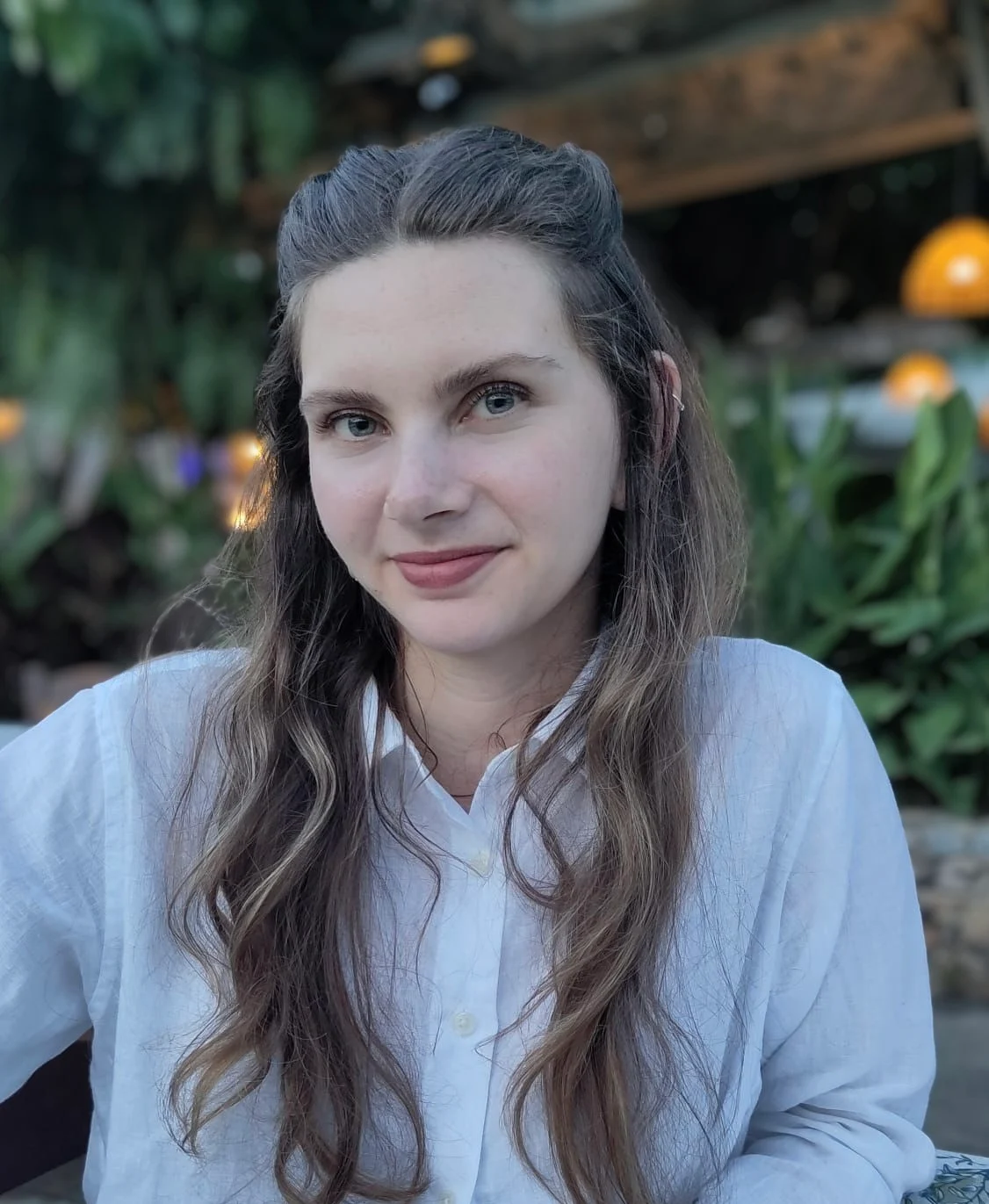
Brittany Rosemary Jones is a PhD candidate in the School of Art History at the University of St Andrews in Scotland. Her dissertation examines the intersection of Surrealism and U.S. radical politics during the “long Sixties” through the early artworks and visual culture of the Chicago Surrealist Group. Her doctoral research has been supported by the Newberry Library, University of Michigan Library, the Northwestern University Charles Deering McCormick Library, and the Association for Art History. She holds her M.A. in History of Art from the Courtauld Institute of Art and her B.A. in Art History and Mathematics/Economics from Fordham University. Previously, she was the researcher and writer of modern and contemporary art at Phillips auction house in New York.
Spring 2027 Tyson Scholars
Diane Ahn
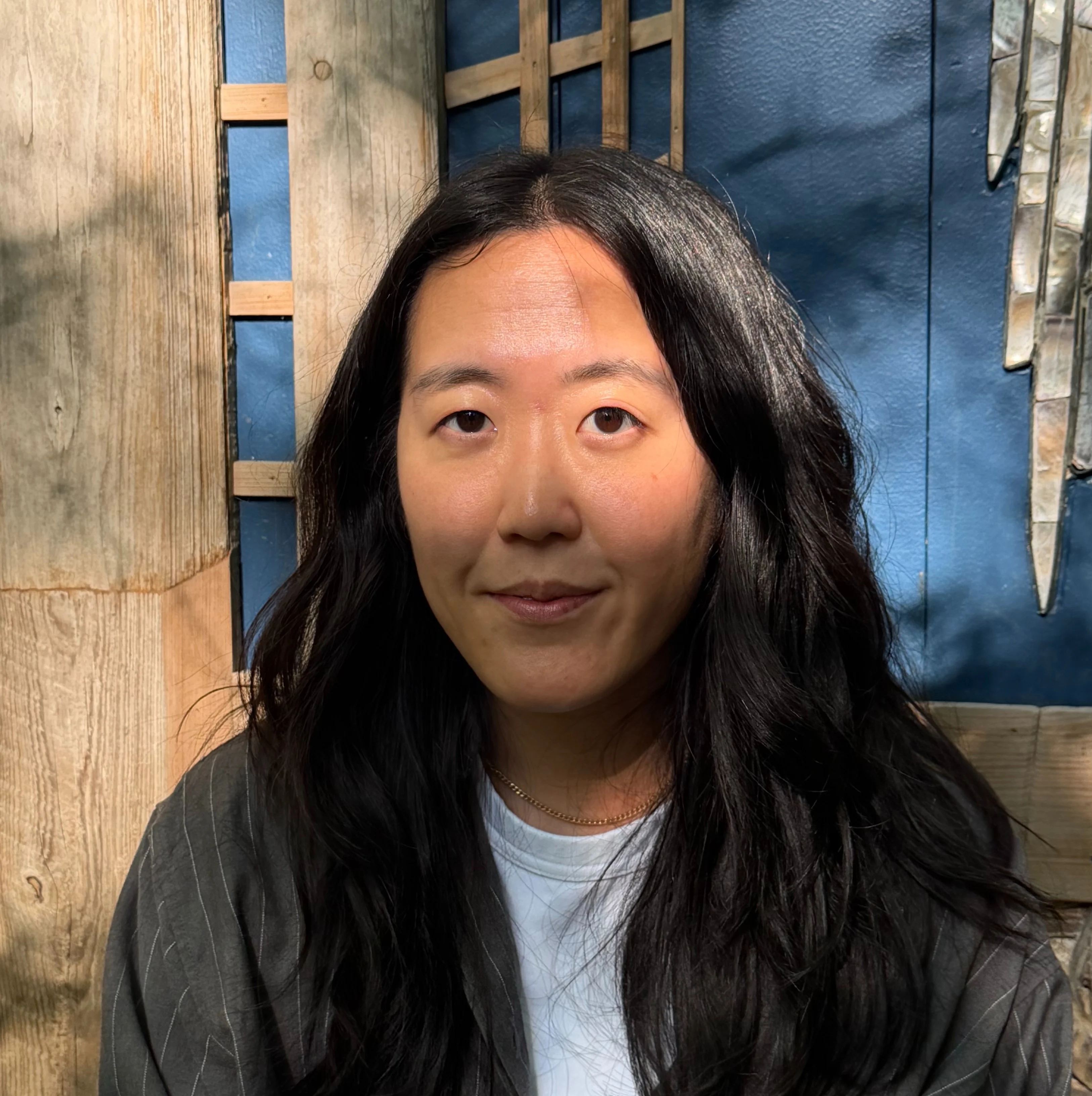
Diane Ahn is a doctoral candidate in the History and Theory of Art at the Massachusetts Institute of Technology. Her dissertation, "'Alien Trends' in American Art: Painted and Performed Transpacific Modernism (1885-1942)" tracks the rise of Issei ("first generation") Japanese immigrant painters and analyzes their navigation of shifting US-Japan relations from 1885 to 1942. Her project has been supported by the Smithsonian American Art Museum, Huntington Library, and Pittsburgh Foundation. She holds an M.A. in the History of Art from Williams College, and B.A. in Philosophy from Middlebury College.
Patricia Johnston
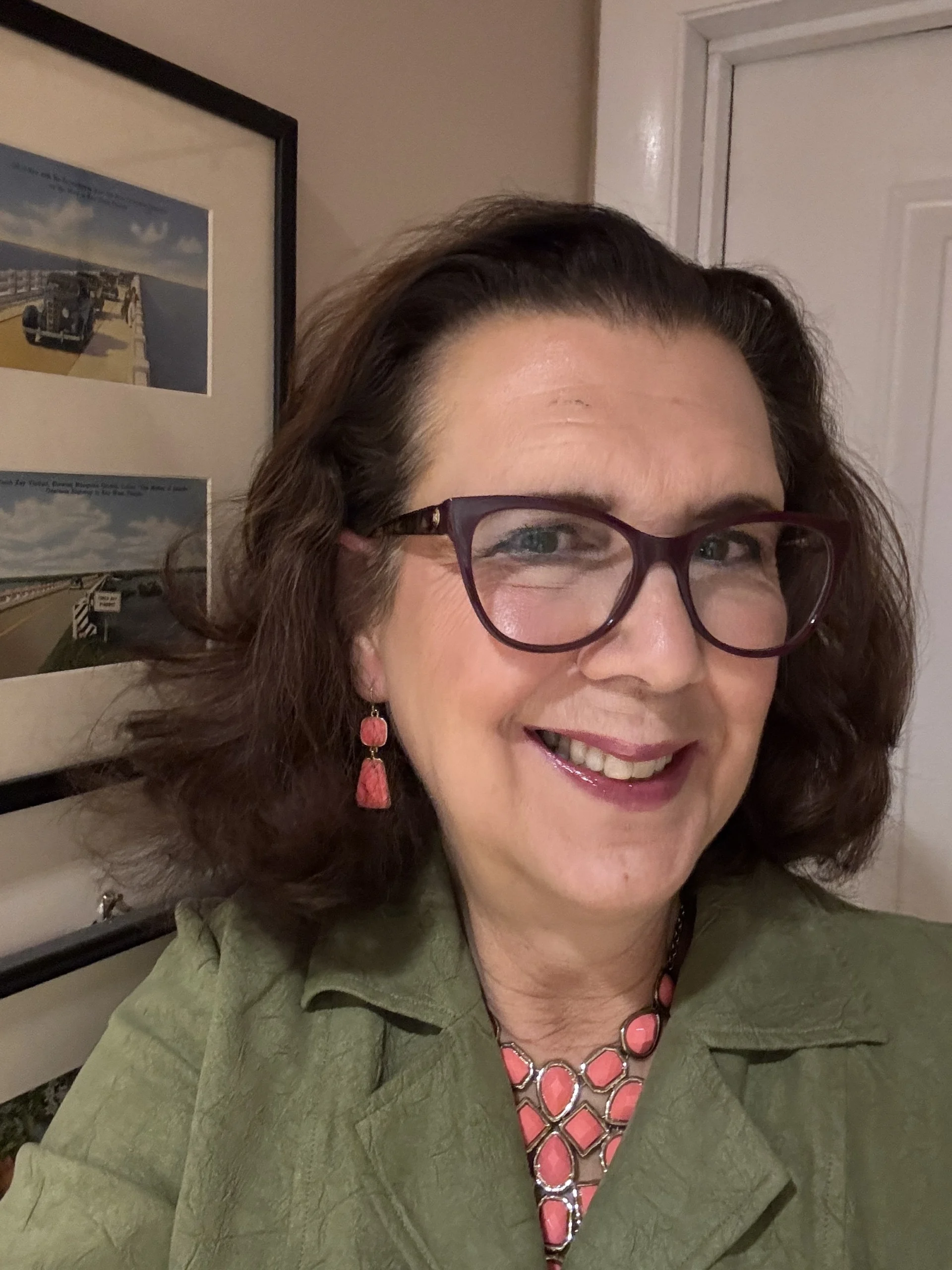
Patricia Johnston is the Rev. J. Gerard Mears, S.J., Chair in Fine Arts at the College of the Holy Cross in Worcester, Massachusetts. She is the author of Real Fantasies: Edward Steichen’s Advertising Photography (1997) and editor of Seeing High and Low: Representing Social Conflict in American Visual Culture (2006) and Global Trade and Visual Arts in Federal New England (2014). In 2016-17, she was the Terra Foundation Senior Fellow in American Art at the Smithsonian American Art Museum. She has held research fellowships from the American Antiquarian Society, the Charles Warren Center for Studies in American History at Harvard University, and the National Endowment for the Humanities. She is presently writing a book on the impact of global commerce on early American identities.