Acerca del evento
This symposium invites artists, curators, and educators to engage in a critical dialogue on the shifting paradigms of Indigenous art, drawing on national and international perspectives and anchored by the recent reinstallation and expansion of Crystal Bridges.
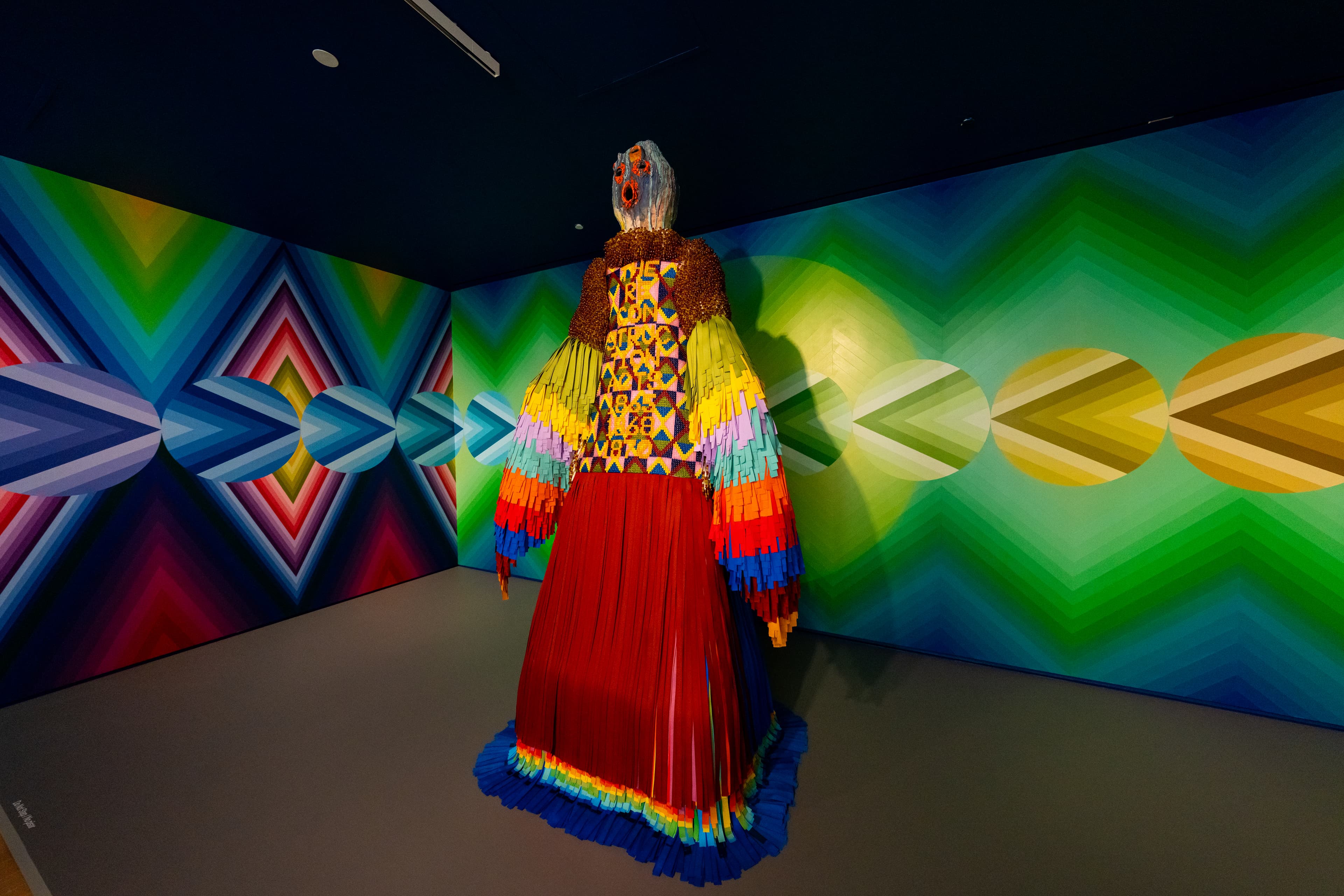
Over two days, speakers will examine how museum "re-envisionings" of American art history can move toward a radical centering of Indigenous sovereignty, materiality, and artistic expression across time. By nesting the museum’s current curatorial strategies in conversation with the national and global Indigenous art landscape, the program seeks to explore connections between curatorial frameworks, arts education, and broader museum practices. Panelists, including leading artists, curators, and scholars, will explore how these evolving arts frameworks impact the present and future of Native art.
This event is free, registration required. Reserve your spot online or with Guest Experience at (479) 657-2335 today.
Precio de entradas e Información de Reserva
Free, registration required
Friday, October 16
Public Symposium Schedule
10:30 - 11:30 AM
Artist Workshop: Lehuauakea | Hub Studio
1:00 PM - 2:00 PM
Matrilineal Monuments: Diné Textiles in Dialogue with Lola Cody and Melissa Cody | the Hub, The Commons
Panelists: Lola Cody, Artist & Melissa Cody, Artist moderated by Alexandria Hawley, Curatorial Scholar for Made in Beauty: Land, Memory, and Time in Native Art & School for Advanced Research
This artist talk features Dine weavers Lola Cody, Artist & Melissa Cody, Artist, Moderated by Alexandria Hawley, Curatorial Scholar. The panel will explore intergenerational artistic practices of weaving and the lifetimes of knowledge reflected within the artform.
2:15 PM - 3 PM
Kiowa Community & Descendants Activation: Teri Greeves Commission | Gallery 1, Visions of America
Panelists: Teri Greeves, Artist, Deborah Toyebo, Artist & Descendant, and Kiowa elder Delores Harragara, Master Kiowa Language Teacher & Descendant, moderated by Jordan Poorman Cocker, Curator of Indigenous Art & NAGPRA Officer.
Teri Greeves Commission activation with a Kiowa song performance by descendants of Atah Toyebo, followed by an in-gallery discussion with panelists. This panel delves into the role of collaboration and community within the artistic production process, exploring the question: How can museums better center artists and communities?
3:15 PM - 4 PM
𐓁𐓣́𐓥𐓘 𐓻𐓶̄𐓲𐓟 𐓣́𐓟 𐓰𐓘̋𐓰𐓘͘ 𐓷𐓘𐓷𐓟́𐓤𐓘̄𐓹𐓟 𐓯𐓤𐓣 (Indigenous Art & Language) | the Hub, The Commons
Panelists: ᎧᏂᎦ ᎪᎳᎭ Roy Boney, 𐓏𐓘𐓥𐓪́͘𐓰𐓣𐓟 Chris Cote, Lehuauakea, and Bobby C. Martin, moderated by “Made in Beauty” Guest co-curator Marina Tyquiengco.
A panel of Indigenous language speakers and artists. This session delves into the importance of place-based approaches and the vital presence of Indigenous languages and other expressions of sovereignty within art museums.
4:15 PM - 5 PM
Indigenous Art: National Views | the Hub, The Commons
Panelists: Anita Fields, Artist, Dakota Hoska, National Gallery of Art, Curator of Native American and Global Indigenous Art, Jeffery Gibson, Artist, Marina Tyquiengco, Guest Co-Curator of Made in Beauty: Land, Memory, and Time in Native Art, and Jordan Poorman Cocker, Curator of Indigenous Art & NAGPRA Officer, Crystal Bridges Museum of American Art, Moderated by Courtenay Finn, Chief Curator, Crystal Bridges Museum of American Art.
This panel delves into the big picture of Indigenous art nationally and at Crystal Bridges Museum of American Art, exploring collecting practices and exhibition building in the context of the reinstallation and expansion. Panelists will explore questions such as: what does a National perspective on Indigenous art mean today, and how might people unite in this work?
Saturday, OCT 17
Public Symposium Schedule
11:00 AM
Keynote with Jeffrey Gibson: More Colors Than the Eyes Can See | The Commons
Join acclaimed artist Jeffrey Gibson for a conversation moderated by Jordan Poorman Cocker, exploring Gibson’s expansive artistic practice, the power of making, and the ideas, histories, and cultural influences that shape his work. Inspired by Gibson’s celebrated approach to beadwork and materiality, the program will feature a live, on-stage beading demonstration, offering guests a behind-the-scenes look at the processes and traditions that inform his practice.
Guests will also receive a complimentary copy of the exhibition catalogue, More Colors Than the Eyes Can See.
2:15 PM - 3:00 PM
Global Perspectives: Maia Nuku & Reuben Paterson in Dialogue | The Commons
Curator Maia Nuku and artist Reuben Paterson come together in a conversation exploring how Indigenous knowledge, art and curatorial practice can expand the ways we think about museums and the spaces they occupy. Moving between Aotearoa, Oceania and New York, they consider museums as places of encounter, arrival and departure, and how ideas of navigation, place and belonging can connect collections, architecture and the world beyond the museum.
3:15 PM - 5:00 PM
Artist Workshop with Bobby C. Martin | Studios D & E
Close out the weekend with an intimate, hands-on workshop led by artist Bobby C. Martin. In this small-group experience, Martin will share insight into his creative approach while inviting participants to make, experiment, and engage with his practice firsthand.
Invitation Only Events
Friday, October 16
8:00 - 9:00 AM | Continental Breakfast for Artists & Educators | the Hub
9:00 - 9:15 | Welcome by Austen Barron Bailey, Deputy Director of Curatorial Affairs and Visitor Services, followed by acknowledgements by Courtenay Finn, Chief Curator | The Commons
9:30 - 10:30 AM | Tour of Permanent Collection with Jordan Poorman Cocker, Curator of Indigenous Art, and Austen Barron Bailly, Deputy Director of Curatorial Affairs and Visitor Services | Begin in Garrison Lobby
12:00 PM | Lunch | the Hub
Join artists and community members for dinner and an all-ages Handgame hosted by Chris Cote, Osage Nation Language Teacher, and Yancey Redcorn, a member of the American Academy of Arts & Sciences and Creative Native Artist Award recipient. Supper will be served at 5:30 PM with GF options.
Saturday, Oct 17
8:00 - 9:00 AM | Continental Breakfast for Artists & Educators | the Hub
9:00 AM | Welcome by Courtenay Finn, Chief Curator, introduction of Smithsonian Cohort by Marissa Reyes & Cynthia Chavez, Director of the National Museum of the American Indian
9:30 AM - 10:45 AM | Smithsonian Cohort Presentation: Native Knowledge 360, More Colors Than the Eye Can See
12:00 PM | Lunch | the Hub
1:15 - 2:00 PM | Teacher Workshop Sessions with Jeffrey Gibson Curriculum | Studios D & E
About the Speakers
About the participating symposium speakers.
Courtenay Finn
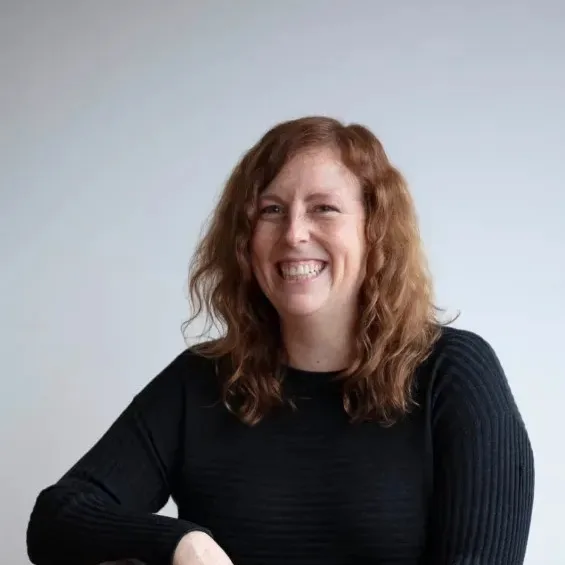
Courtenay Finn is Chief Curator at Crystal Bridges Museum and the Momentary, and one half of Frank, a small publishing imprint for artist projects. Recent exhibitions include the 2025 California Biennial: Desperate, Scared, But Social; Deux Femmes: Leonora Carrington & Leonor Fini; and Alice Neel: Feels Like Home. She organized Renée Green: Contact, as part of the artistic team for the 2022 FRONT International, and Margaret Kilgallen: that’s where the beauty is. the artist’s first posthumous museum show, which originated at the Aspen Art Museum (2019), and traveled to moCa Cleveland (2020) and the Bonnefanten Museum in Maastricht (2021). Prior to her appointment at Crystal Bridges, she held curatorial positions at the Orange County Museum of Art, moCa Cleveland, the Aspen Art Museum, and Art in General.
Jordan Cocker
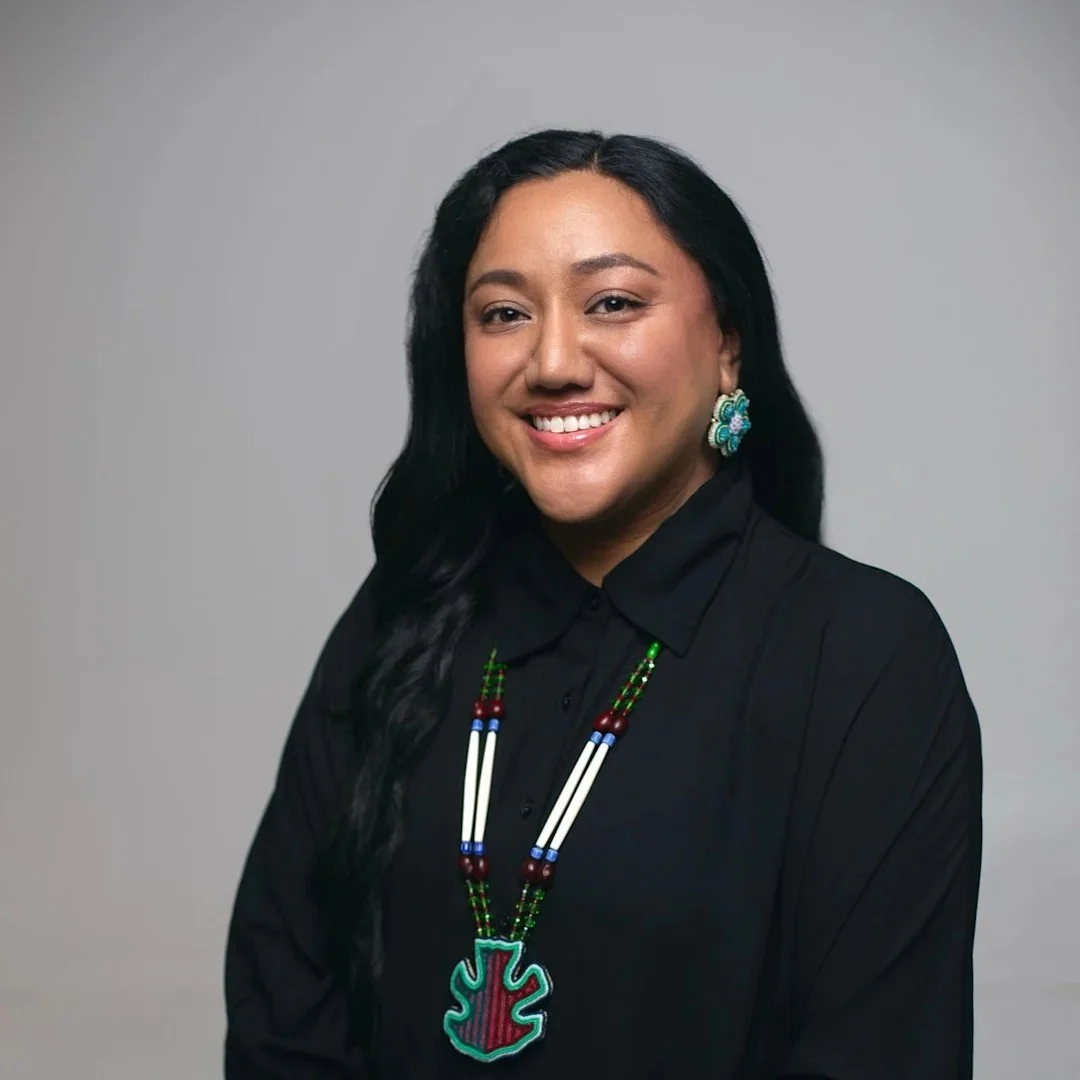
Jordan Poorman Cocker, an Indigenous curator and artist from the Kiowa Tribe and the Kingdom of Tonga serves as curator of Indigenous art at Crystal Bridges Museum. She holds a Master of Museum and Heritage Practice from Victoria University of Wellington and a Bachelor of Design from Auckland University of Technology in New Zealand. Cocker’s curatorial work centers Indigenous research methodologies and artist centered discourses grounded in oral histories. Raised in Oklahoma, USA Jordan is a lifelong member of Kiowa societies and cultural activities. Her cultural upbringing along with her tertiary education in New Zealand shapes and informs her curatorial practice and scholarship within Native American art specifically and Indigenous art more broadly.
Alexandria Hawley
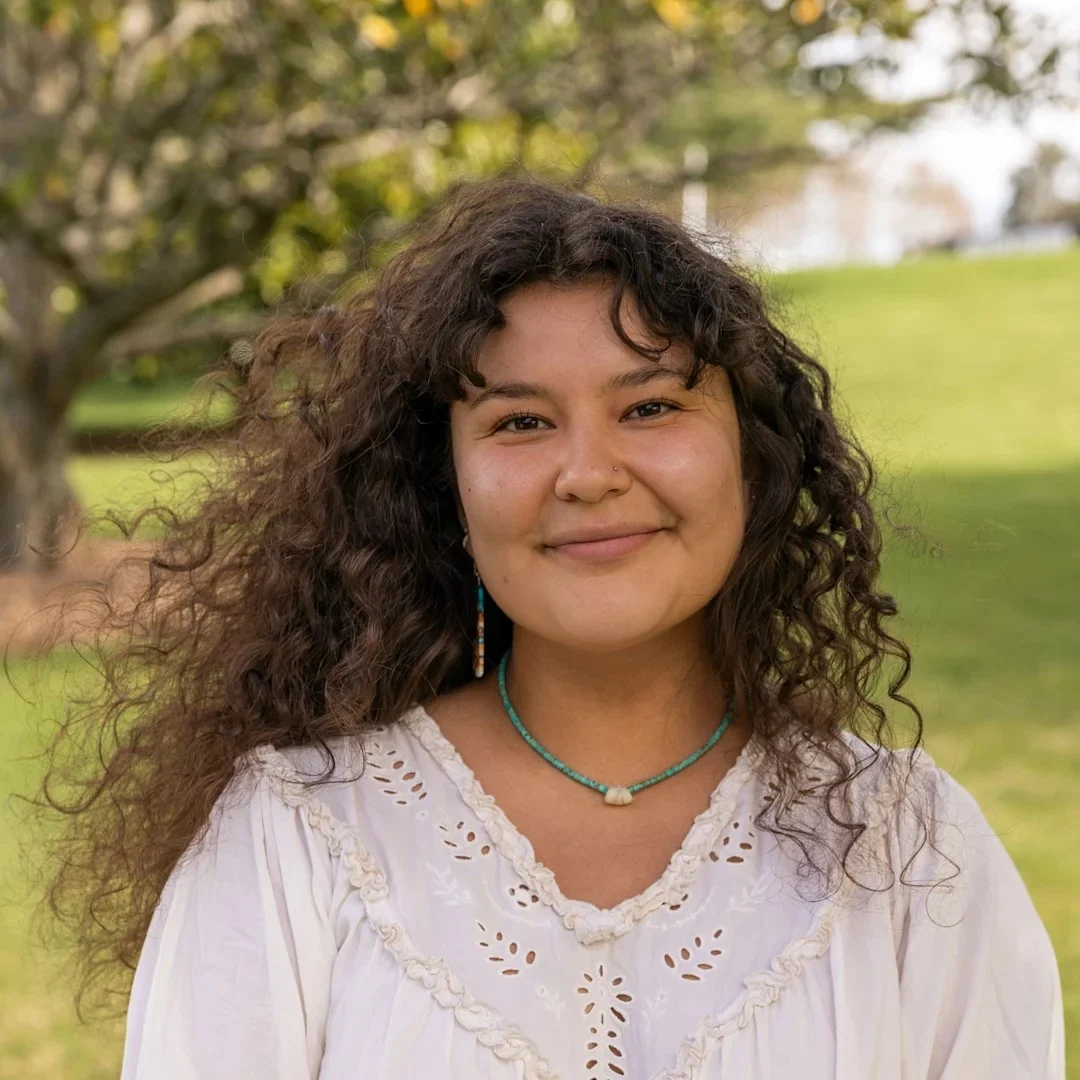
Alexandria Hawley (she/her/hers) (Diné) is a Diné auntie, weaver, and collections assistant at the Indian Arts Research Center at the School for Advanced Research (SAR). Hawley received her B.A. from Dartmouth College. She is a 2023 Fulbright Graduate Awardee and received her M.A. in Museums and Cultural Heritage from the University of Auckland, NZ. As an arts practitioner, Alexandria is invested in Indigenous adornment, agency, and cultural perpetuation.
Anita Fields
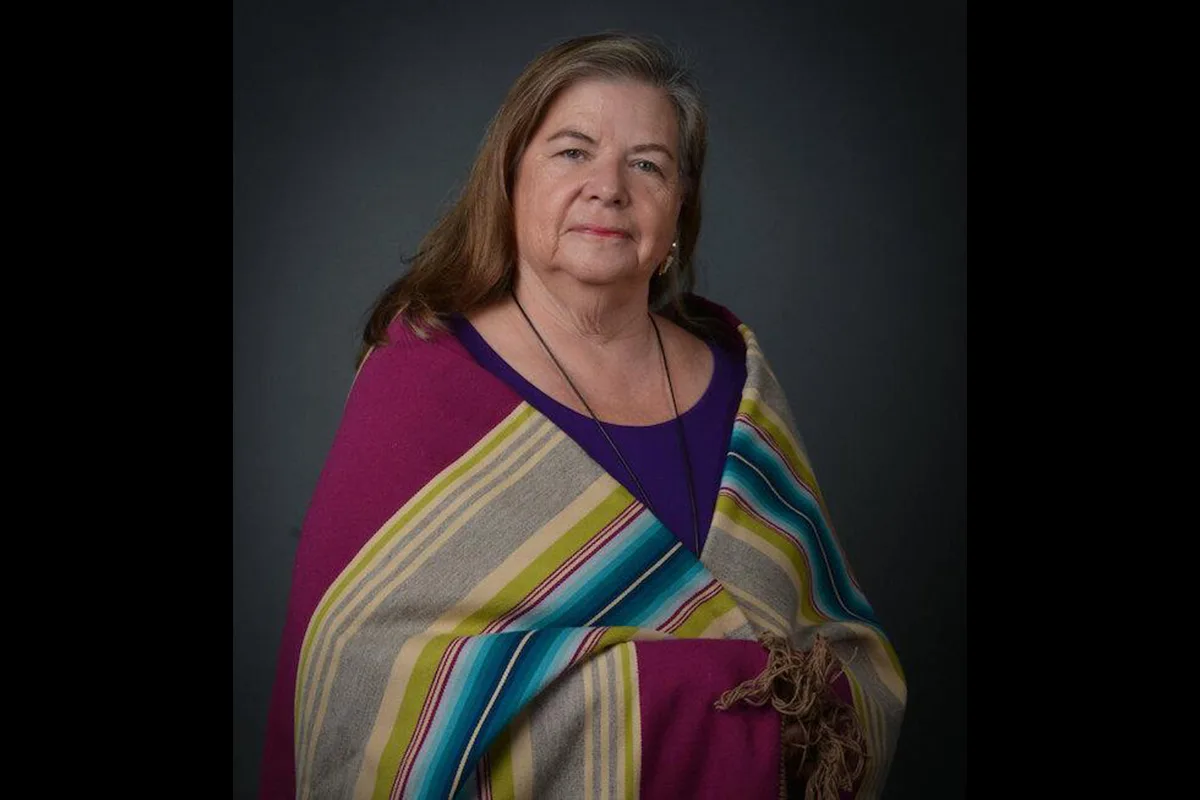
Born in Oklahoma, artist Anita Fields creates works of clay and textile that reflect the worldview of her Native Osage culture. Her work can be found in several collections, including the Minneapolis Institute of Art, Museum of Art and Design, Museum of Contemporary Native Arts, Crystal Bridges Museum of American Art, Heard Museum, and the National Museum of American Indian.
Bobby C Martin
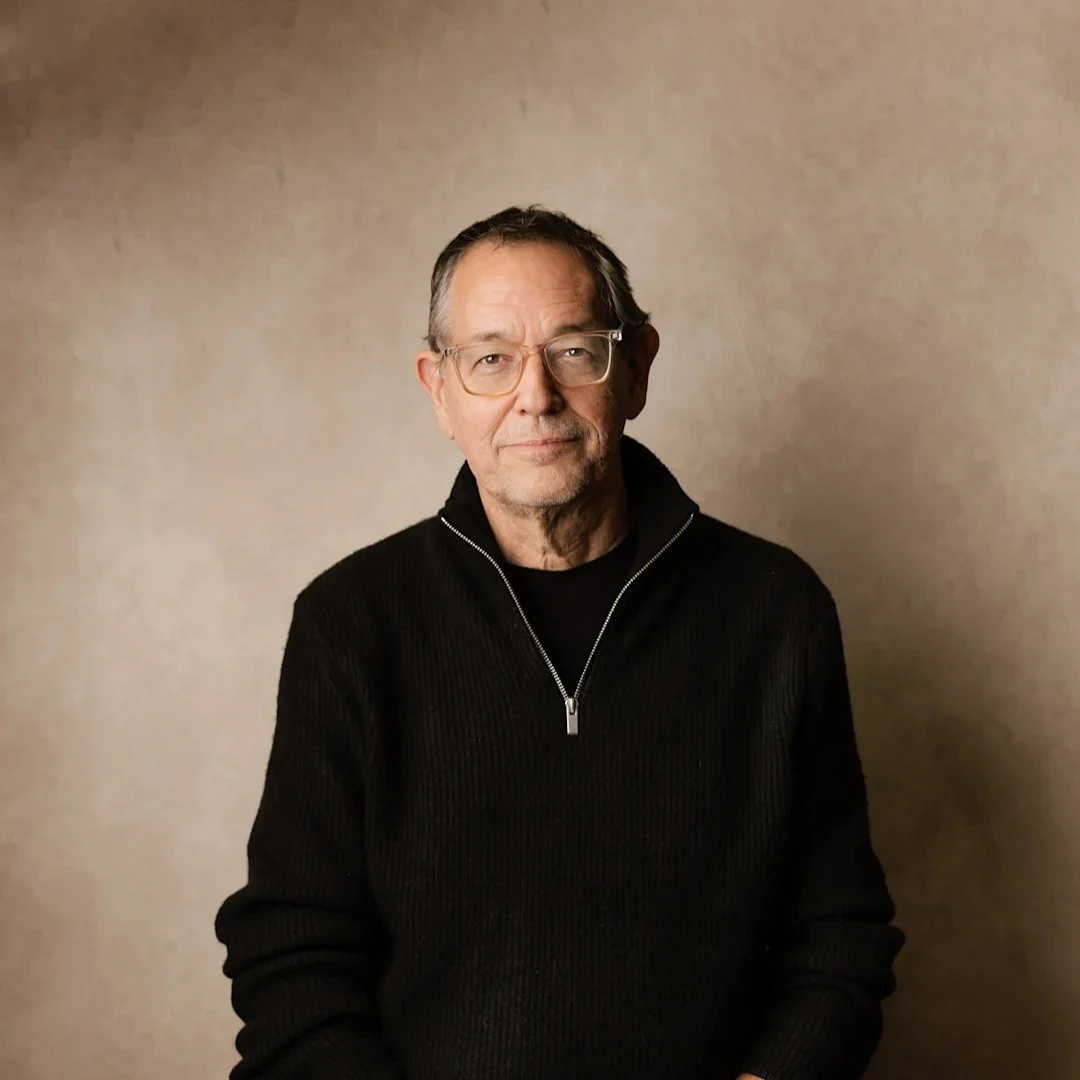
Bobby C. Martin, an enrolled citizen of the Muscogee (Creek) Nation, is a full-time artist whoworks out of his Martin Mountain Studio near West Siloam Springs, Oklahoma. An artistdeep-ly influenced by his Native American heritage, Martin’swork explores memory andhistory in the form of artworks based on his own family photographs, often combined withmaps, tribal language passages of Christian hymns and scripture, and other documents relatedto his Mvskoke ancestry.
Chris Cote
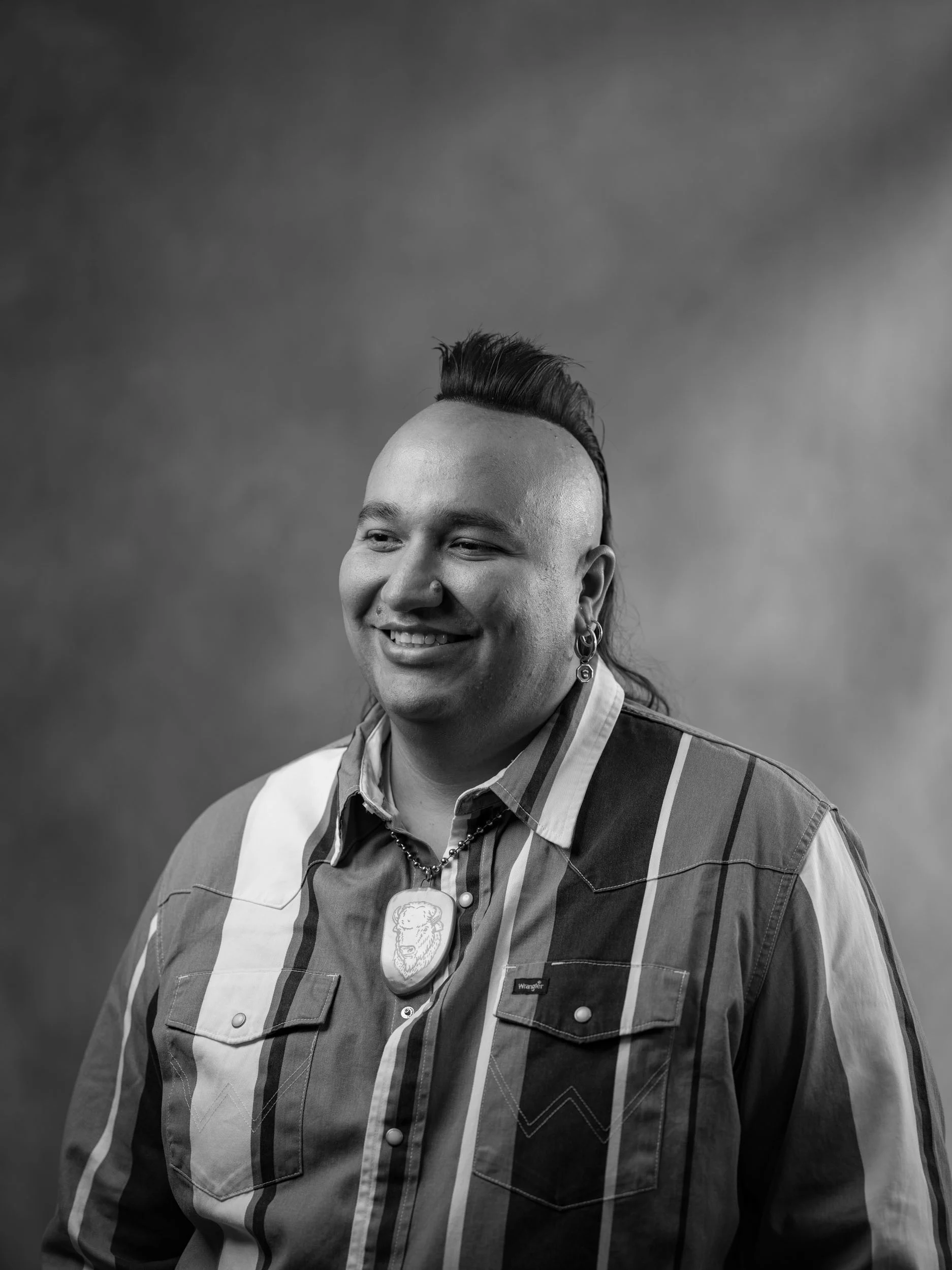
Christopher is an active member of the 𐓷𐓘𐓸𐓘𐓤𐓪𐓧𐓣͘ (Pawhuska) committee of the 𐓣𐓧𐓪͘𐓯𐓤𐓘 (Osage Ceremonial Dances) and of the 𐓲𐓣𐓻𐓪 𐓷𐓘𐓯𐓰𐓘𐓤𐓟 (gentle sky people) clan. With a career spanning nearly a decade, Christopher created the learning apps Wahzhazhe and Sonny Goes to School, developed the language curriculum for the Osage immersion school 𐓰𐓘𐓭𐓪𐓮𐓤𐓘 𐓘͘𐓤𐓪𐓱𐓘𐓬𐓣 (our school), and was the translator and language consultant for the film “Killers of the Flower Moon”. Christopher is currently studying Cherokee Culture with a focus on language revitalization at Northeastern State University.
Dakota Hoska
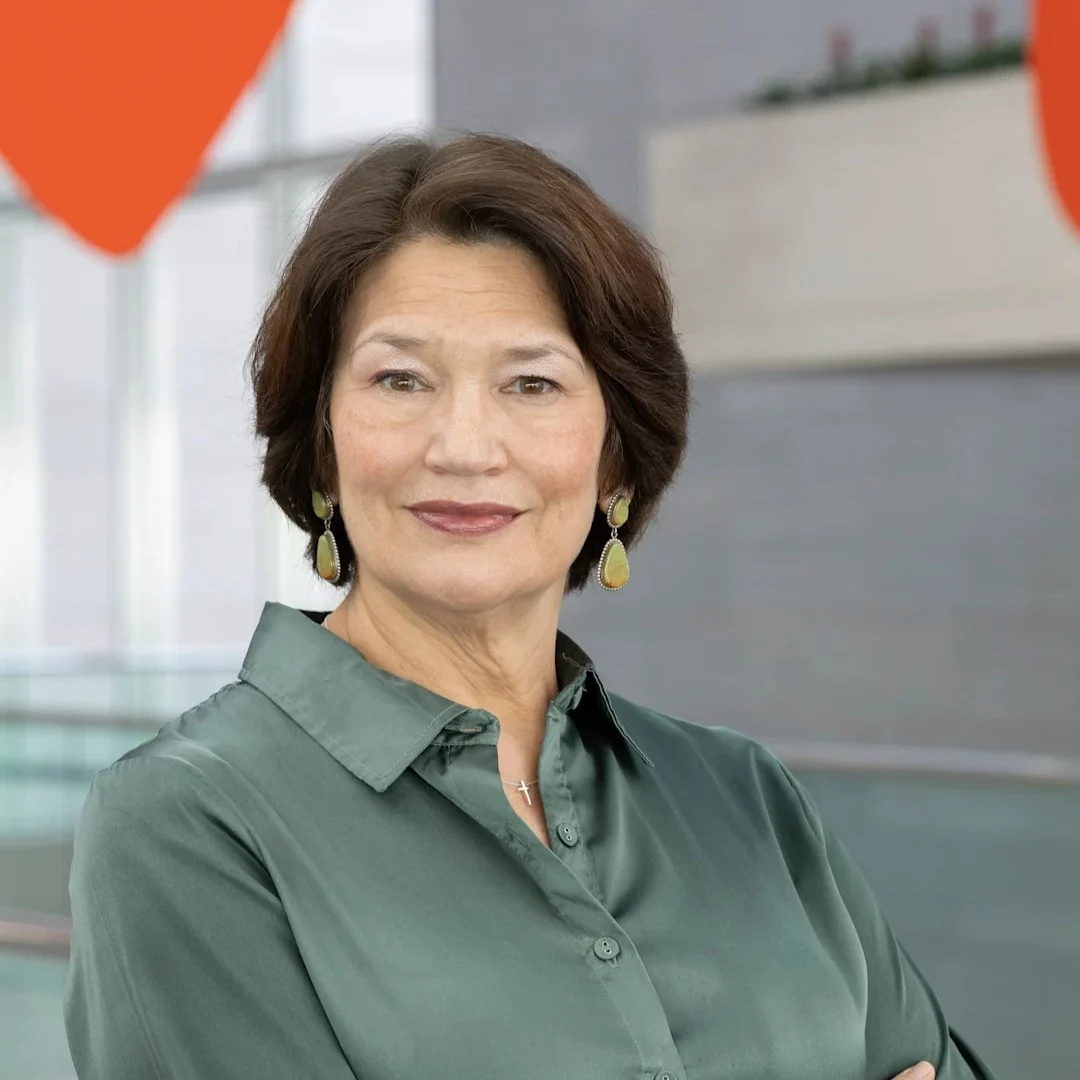
Dakota Hoska (Oglála Lakȟóta Nation, Pine Ridge, Wounded Knee) is the curator of Native American and Global Indigenous Art at the National Gallery of Art in Washington, DC. Among other projects, Hoska curated the exhibitions Andrea Carlson: A Constant Sky (and catalog) and Sustained: The Persistent Genius of Indigenous Art (DAM, 2024).
Jeffery Gibson
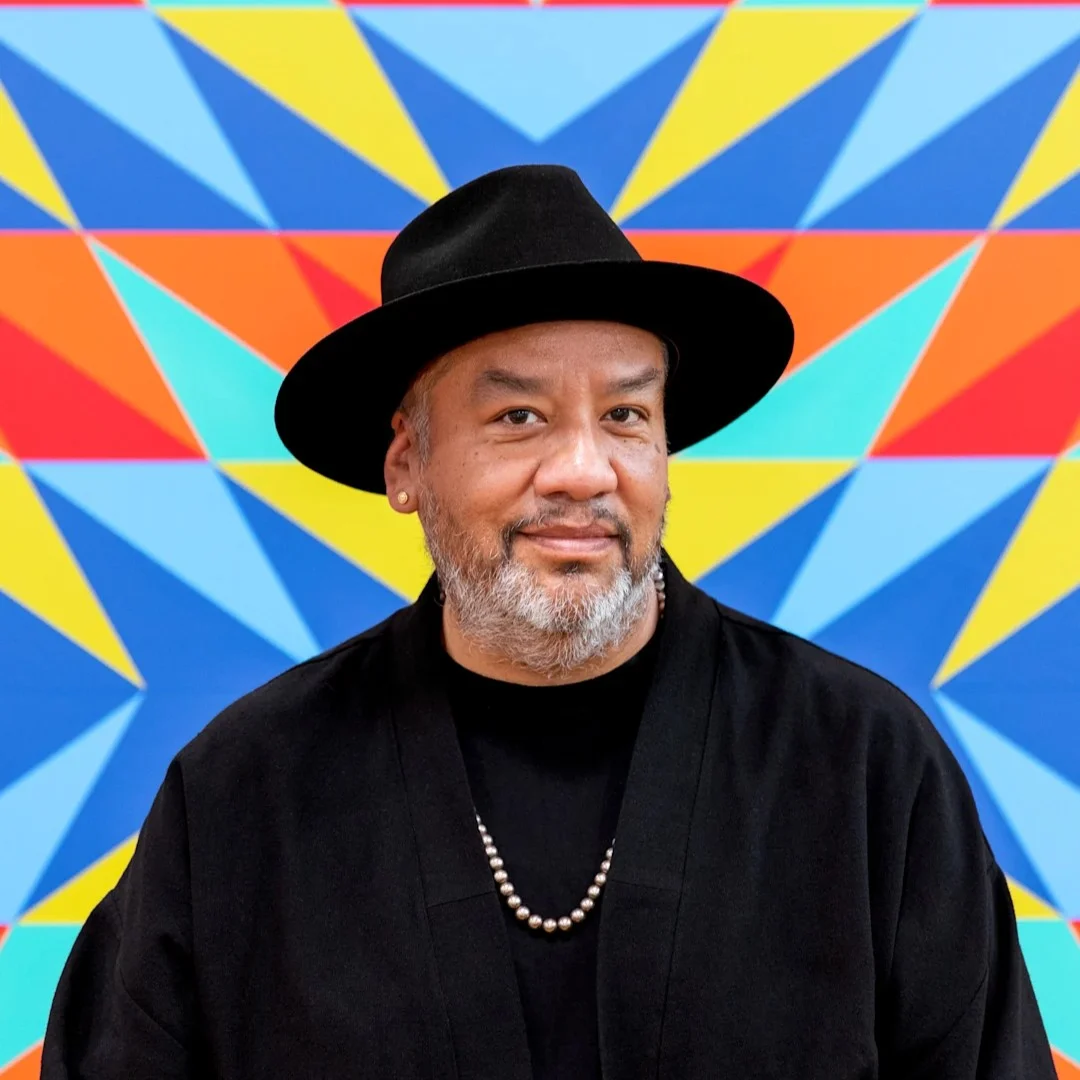
Jeffrey Gibson is celebrated for his work in painting, installation, video, and performance that reference global histories and interrogate the distinctions between craft and fine art. Of Mississippi Band of Choctaw and Cherokee descent, his multidimensional practice also emphasizes collaboration and forges new platforms for Indigenous voices and makers.
Lehuauakea
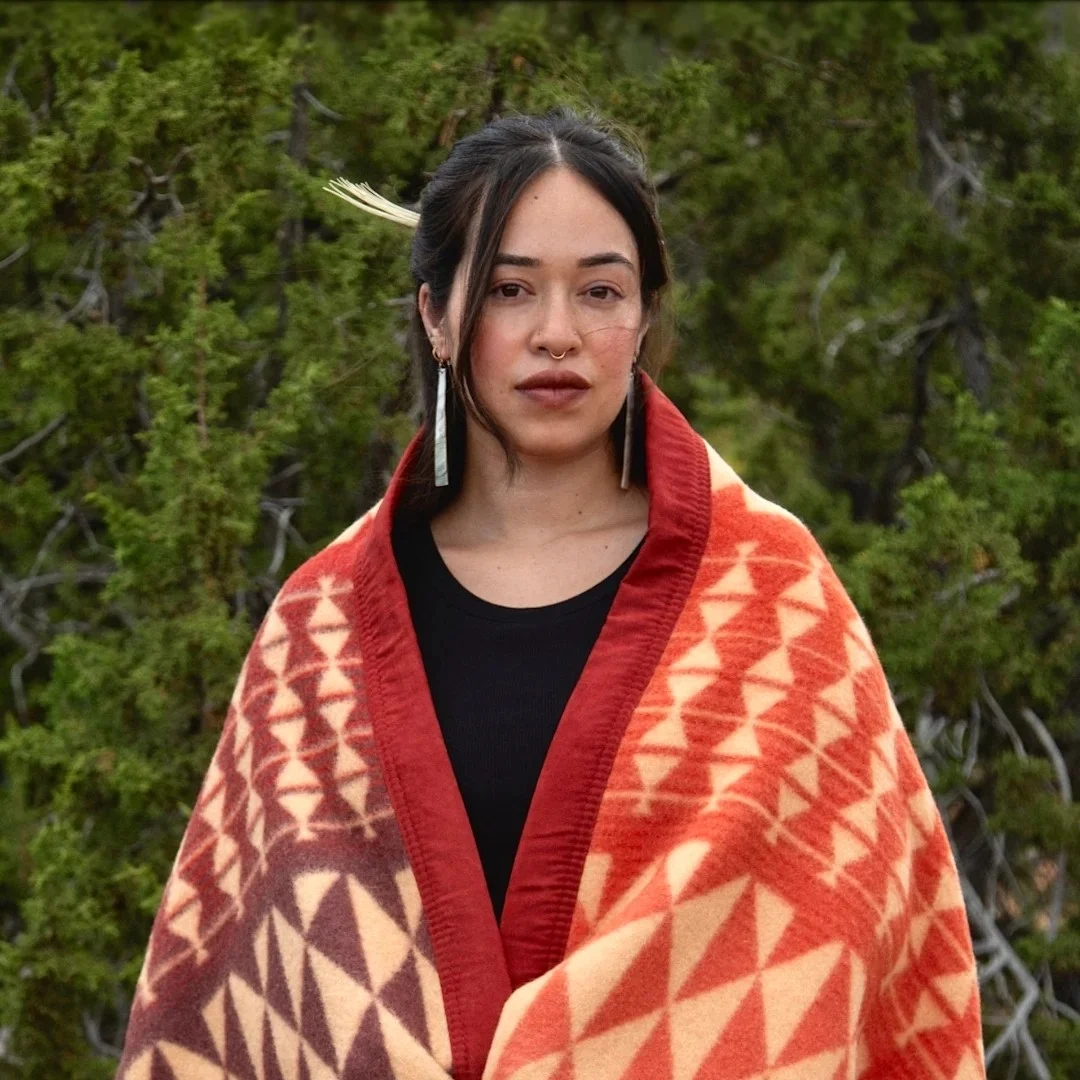
Lehuauakea is a Native Hawaiian artist and traditional barkcloth practitioner. Since receiving their BFA from Pacific Northwest College of Art in 2018, they have shown internationally and placed work in the permanent collections of the Smithsonian National Museum of the American Indian, National Gallery of Art, Portland Art Museum, and others.
Lola Cody
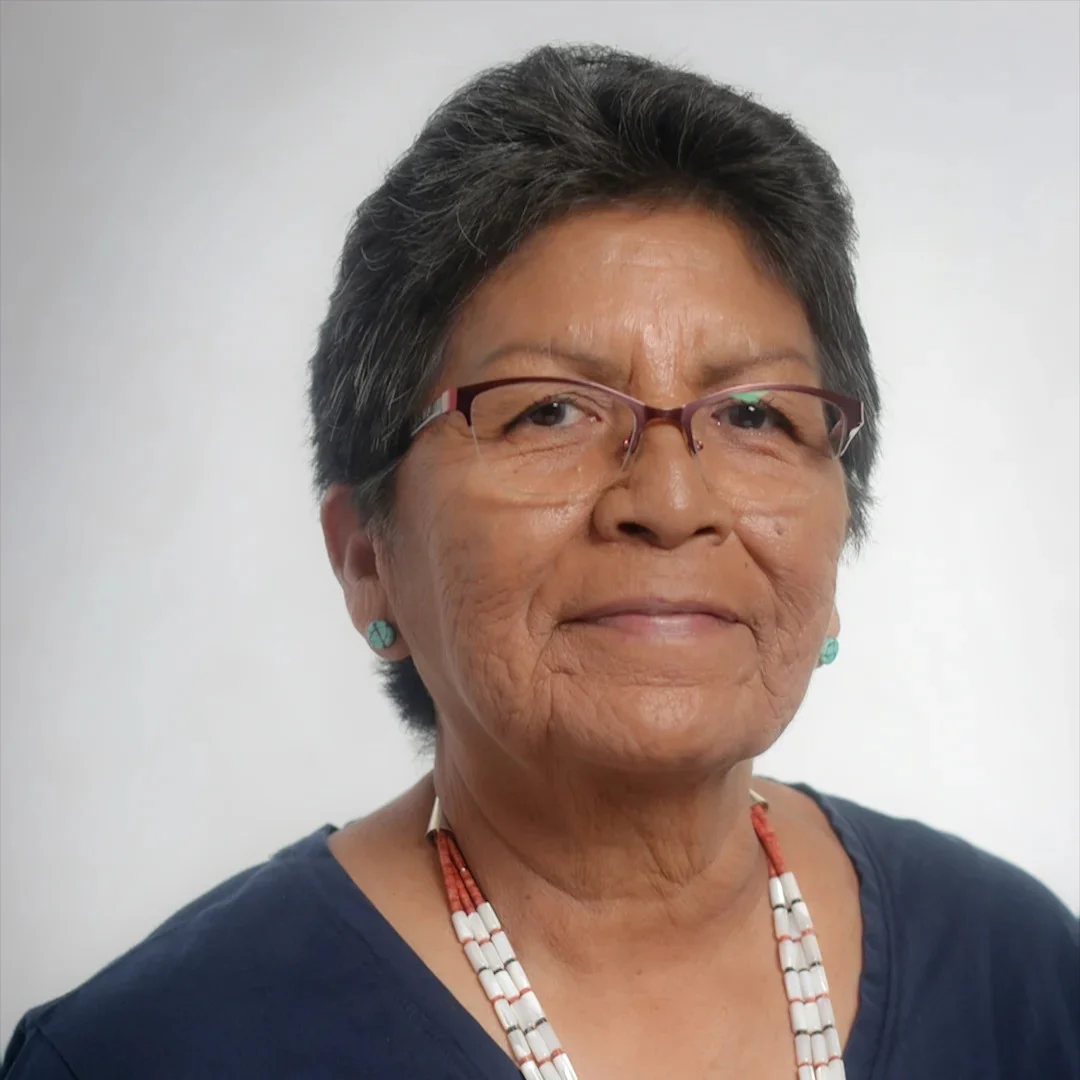
My name is Lola S. Cody and I am a Navajo (Dine) and reside at No Water Mesa, Arizona. I raise churro sheep whose wool I shear and spin and use in my weavings. I have archival rugs Crystal Bridges Museum; The National Museum of American Institute, Washington DC; Eiteljorg Museum, Indianapolis, Indiana; and the Heard Museum, Phoenix, Arizona.
Maia Nuku
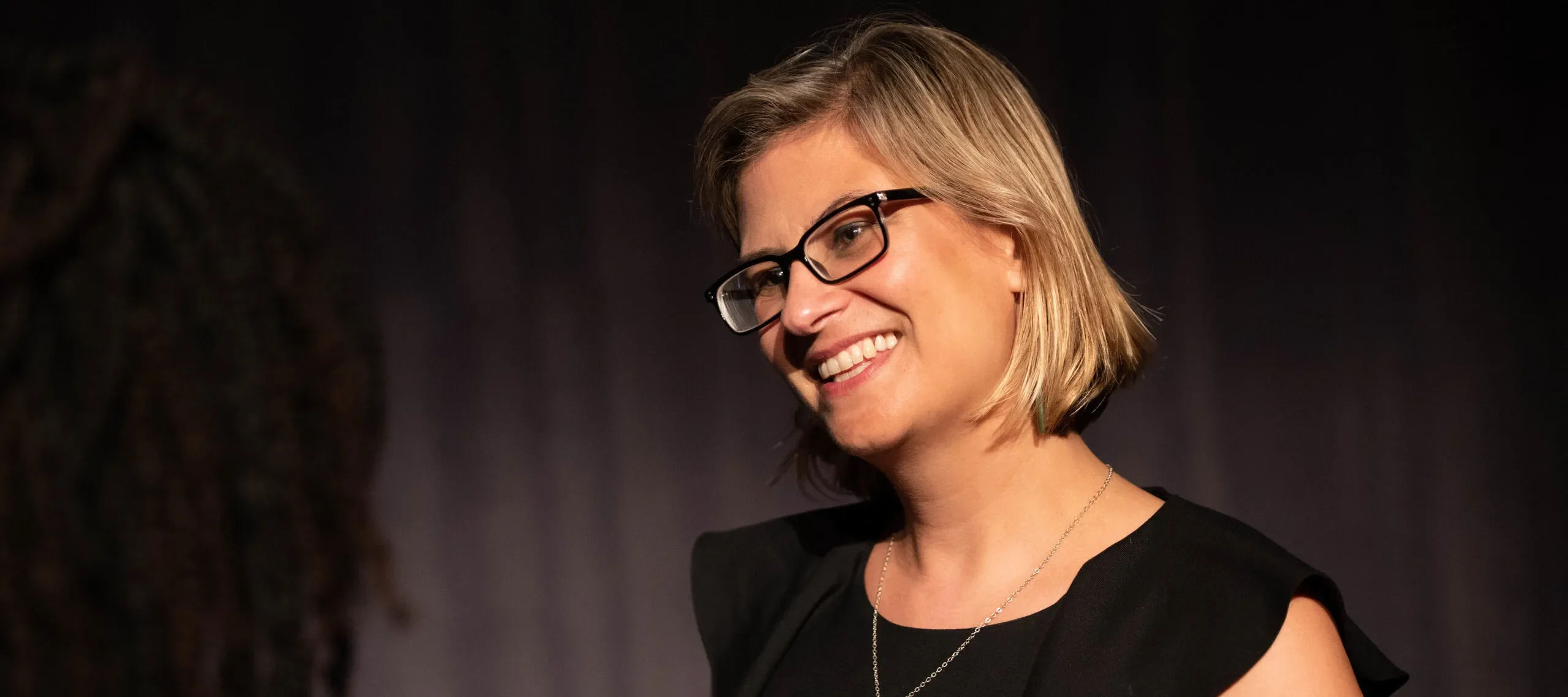
Maia Nuku, Evelyn A. J. Hall and John A. Friede Curator for Oceanic Art at the Metropolitan Museum of Art Curator Maia Nuku was born in London and is of English and Maori (Ngai Tai) descent. Dr. Nuku is the Curator for the Arts of Oceania at the Metropolitan Museum of Art in New York. Her curatorial approach centers Indigenous Pacific perspectives to ground the presentation of Oceanic art in the unique conceptual and cosmological connections that make art from the region so compelling.
Marina Tyquiengco
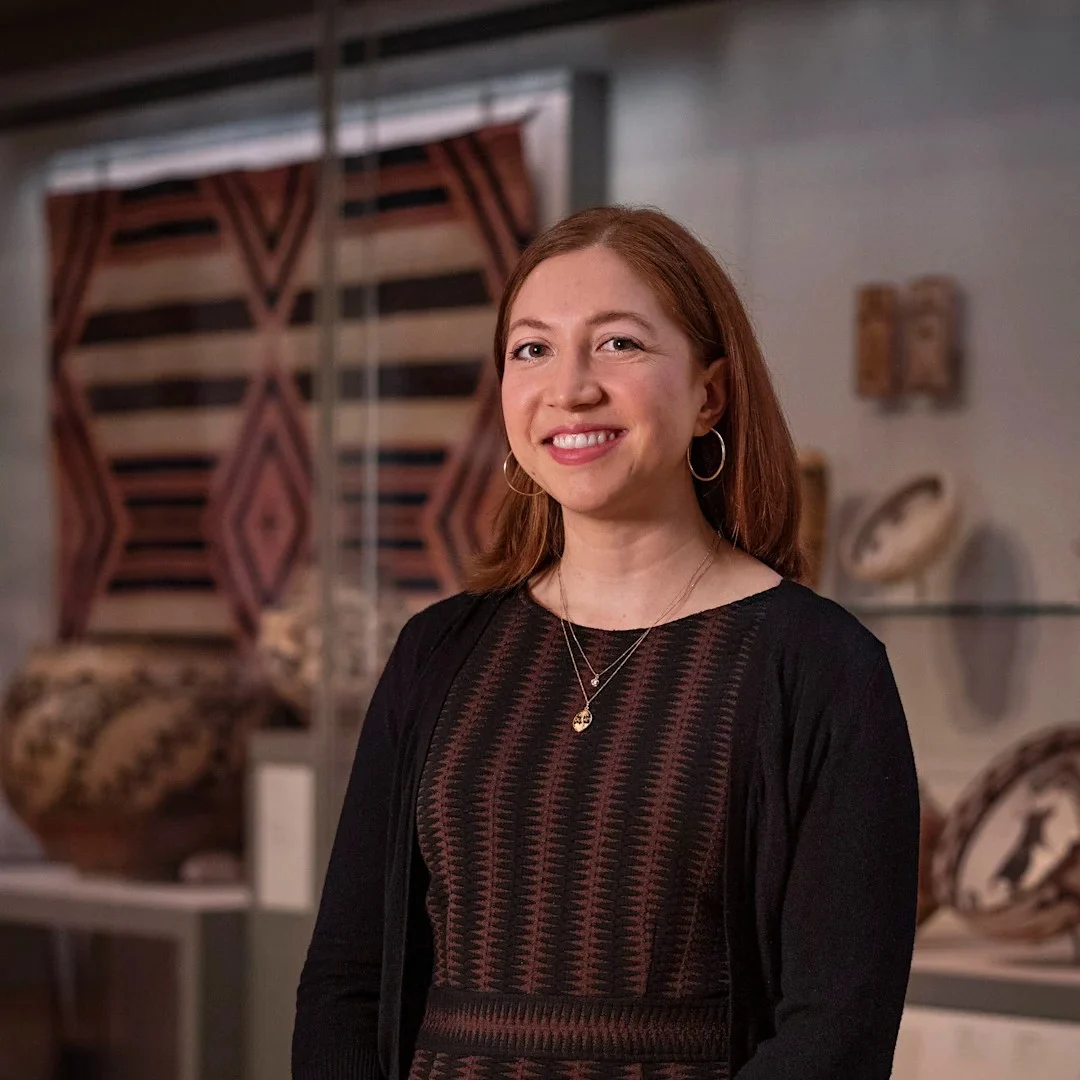
Marina Tyquiengco is an independent curator and art historian. She is a mixed CHamoru scholar who received her PhD and MA from the University of Pittsburgh and her BA from the University of Virginia. She has published articles in Feminist Studies, Panorama: Journal of the Association of Historians of American Art and Lateral: Journal of the Cultural Studies Association. She was the inaugural assistant (later associate)curator of Native American Art at the Museum of Fine Arts, Boston from 2021-2026. With Ian Alteveer, she co-curated Alan Michelson’s The Knowledge Keepers, the inaugural Huntington Avenue Entrance Commission at the MFA Boston. She is an author on the forthcoming publication for the reinstallation of the Art of Americas 18thcentury galleries at the MFA Boston
Melissa S. Cody
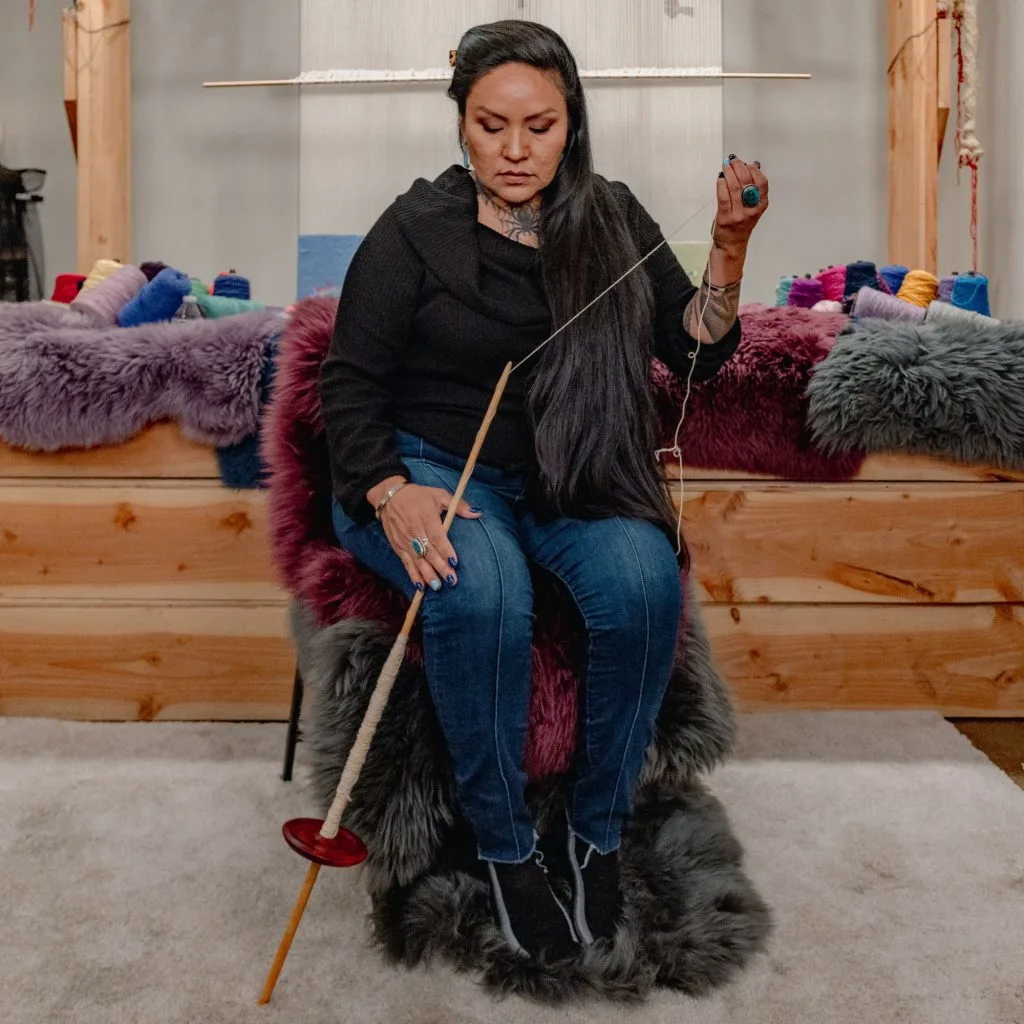
Born 1983 in No Water Mesa, Arizona, Melissa S. Cody is an enrolled member of the Navajo Nation and fourth generation Navajo weaver. In 2007, she received a Bachelor’s degree in Studio Arts and Museum Studies from the Institute of American Indian Arts in Santa Fe, New Mexico. Working on both a traditional Navajo loom and mechanized jacquard machine, Cody recombines traditional patterns into sophisticated geometric overlays and haptic color schemes that bridge traditional and contemporary vernaculars.
Reuben Paterson
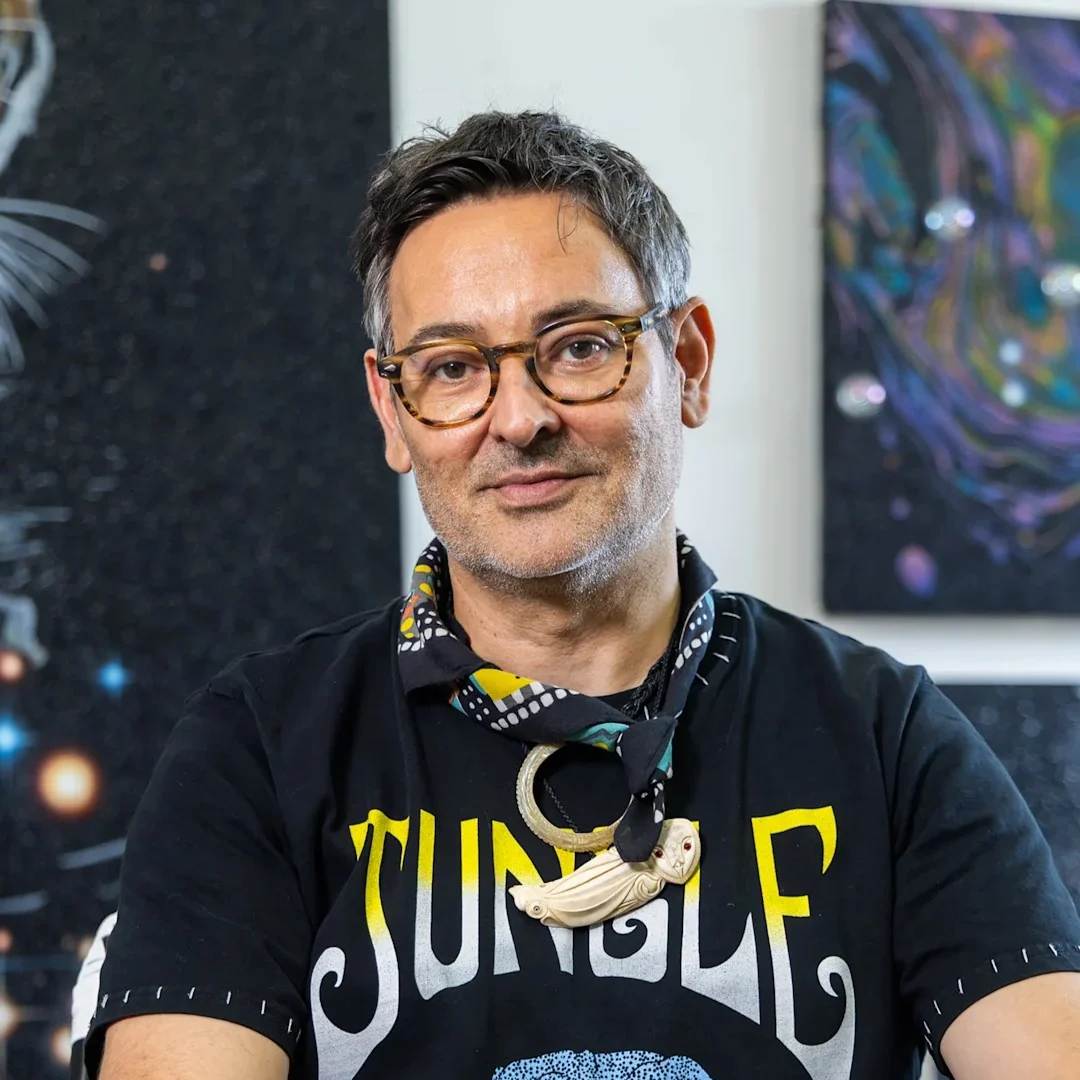
Reuben Paterson (Ngāti Rangitihi, Ngāi Tūhoe, Tūhourangi, Scottish) is a New York based artist and 2025 Arts Laureate exploring light, whakapapa, spirituality, queer identity and the natural world. Recent exhibitions include Nina Johnson, Miami; Christie’s, New York; the Malta Biennale; and the National Gallery of Victoria, Melbourne.
Terri Greeves
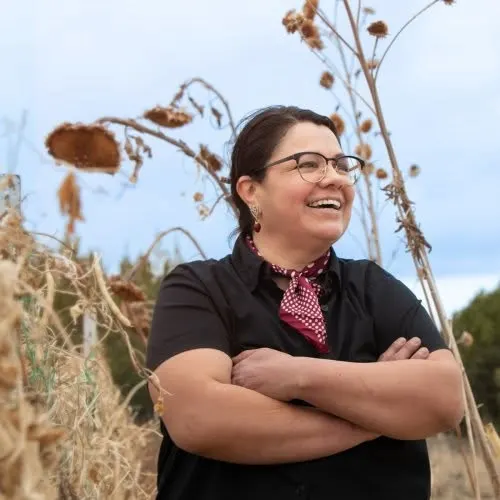
Teri Greeves is an enrolled member of the Kiowa Tribe and a beadwork artist. She was born on the Wind River Reservation in Wyoming where her mother ran a trading post. After graduating from University of California, Santa Cruz, Greeves began her career as an artist, and has since created artworks that push the boundary of the medium. Greeves's work is in the collections of institutions including the Smithsonian’s National Museum of the American Indian, British Museum, and Crystal Bridges Museum.
Venice Educator Cohort Members
Carol Schrader is a National Board Certified Art Teacher and an ART21 Educator. She taught at El Camino Real Academy in Santa Fe, a bilingual K-8 public school and previously taught for 15 years at Santa Fe Community College. Other work includes managing a social justice circus and working in the US Senate. She holds an MFA from the School of the Art Institute of Chicago, an MA in Multicultural Education, UNM, and a BA in Government, Harvard University. She is a steering committee member of the Abstract Picnic Arts Collective in Santa Fe. Her mediums include cyanotype, painting, and fiber arts, often in mixed media installations.
Julia Blue Arm is an educator, artist, and community organizer, originally from South Dakota and now based in Eugene, Oregon. She is Mnicoujou Lakota of the Cheyenne River Sioux Tribe. She is an art educator and currently works as an Education Navigator at Connected Lane County. Her own art practice is primarily in ceramic and fiber art, but she also enjoys painting, glass fusing, and jewelry making. She earned a BFA in Art Education at Colorado State University.
Leanna McClure–Oglala Lakota and Mescalero Apache–is an accomplished leader in nonprofit programming and curricula design. Leanna is a doctoral candidate of Educational Leadership and Organizational Transformation through Northeastern University. She holds an undergraduate degree in Ethnic Studies and two Master degrees from Willamette University, in addition to a Diagnostician Certification through the University of New Mexico. She is Founder and CEO of Kiksuyapi Consulting. Since 2008, McClure has worked with Indigenous youth. She is passionate about culturally-grounded, equitable access to learning for all. Leanna lives in Pecos, New Mexico.
Portland Art Museum
Hana Layson is Head of Youth and Educator Programs at the Portland Art Museum and works to make the museum a welcoming, inclusive, and community-centered place. She manages professional development programs for educators across disciplines and grade levels (K-12 through college), leads arts education partnerships, oversees school tour and youth programs, and recently led the development of a paid college guide program. Hana co-leads the Educator Cohort Project in connection with MORE COLORS THAN THE EYE CAN SEE: An Education Initiative Inspired by the Art of Jeffrey Gibson, partnering with teachers, the Smithsonian’s National Museum of the American Indian, and SITE Santa Fe to develop resources on contemporary Native American art. She holds a PhD in English from the University of Chicago and a BA from Kenyon College.
Shore Art Advisory
Jill Wiley White currently serves as a producer and educator for Shore Art Advisory, currently serving as lead producer for the Why We Gather project. She also serves on the leadership team for MORE COLORS THAN THE EYE CAN SEE: An Education Initiative Inspired by the Art of Jeffrey Gibson, and was a co-leader on the production team for the Jeffrey Gibson’s presentation at U.S. Pavilion, Venice Biennale Arte 2024. Jill uses creativity and understanding to inspire teams in program management, high impact event and performance production, nonprofit board growth, and curriculum development. She holds a MAT in museum education from The George Washington University and a BA from The University of Texas at Austin.
SITE Santa Fe
Kate Lee (she/her) is the Director of Creativity & Learning at SITE SANTA FE, NM. She oversees SITE’s youth, adult, community, artist and docent programs. Her work is grounded in arts pedagogy, popular education and community arts. She has worked as an arts-integrated educator in Australian public schools and Title 1 schools in New York City. She was a core member of Teach With Give, bringing arts-integration and Universal Design for Learning to NYC DOE educators, teaching artists, and cultural workers. Kate has designed and taught curriculum for the Educational Theatre Association, and locally in New Mexico with Performance Santa Fe, the Santa Fe Opera, the New Mexico Alliance for Responsive Teaching, and ArtWorks. Kate has worked with many communities, including public schools, scientists, youth in Central Australia, in interfaith, with the International Rescue Committee, in disability justice, and with senior populations.
Smithsonian’s National Museum of the American Indian
Catherine Mason Hammer is an education product developer at the National Museum of the American Indian where she creates educational resources for K-12 teachers and students. Previously, Catherine taught middle school Social Studies, English, Civics, and Thinking Skills at both public and private schools in the United States and United Kingdom. She also worked as a program coordinator and research assistant at the Center for Strategic and International Studies. Catherine has a B.A. in History from the University of Virginia and an M.A. in Secondary Social Studies Curriculum and Instruction from the College of William and Mary.
Organized in partnership with
Sponsored by