America's Field Trip | Virtual Artist Residencies
Join classrooms from coast to coast for virtual experiences rooted in art, history, and stories—brought to life by artists nationwide and launching in honor of our nation’s 250th anniversary of independence.
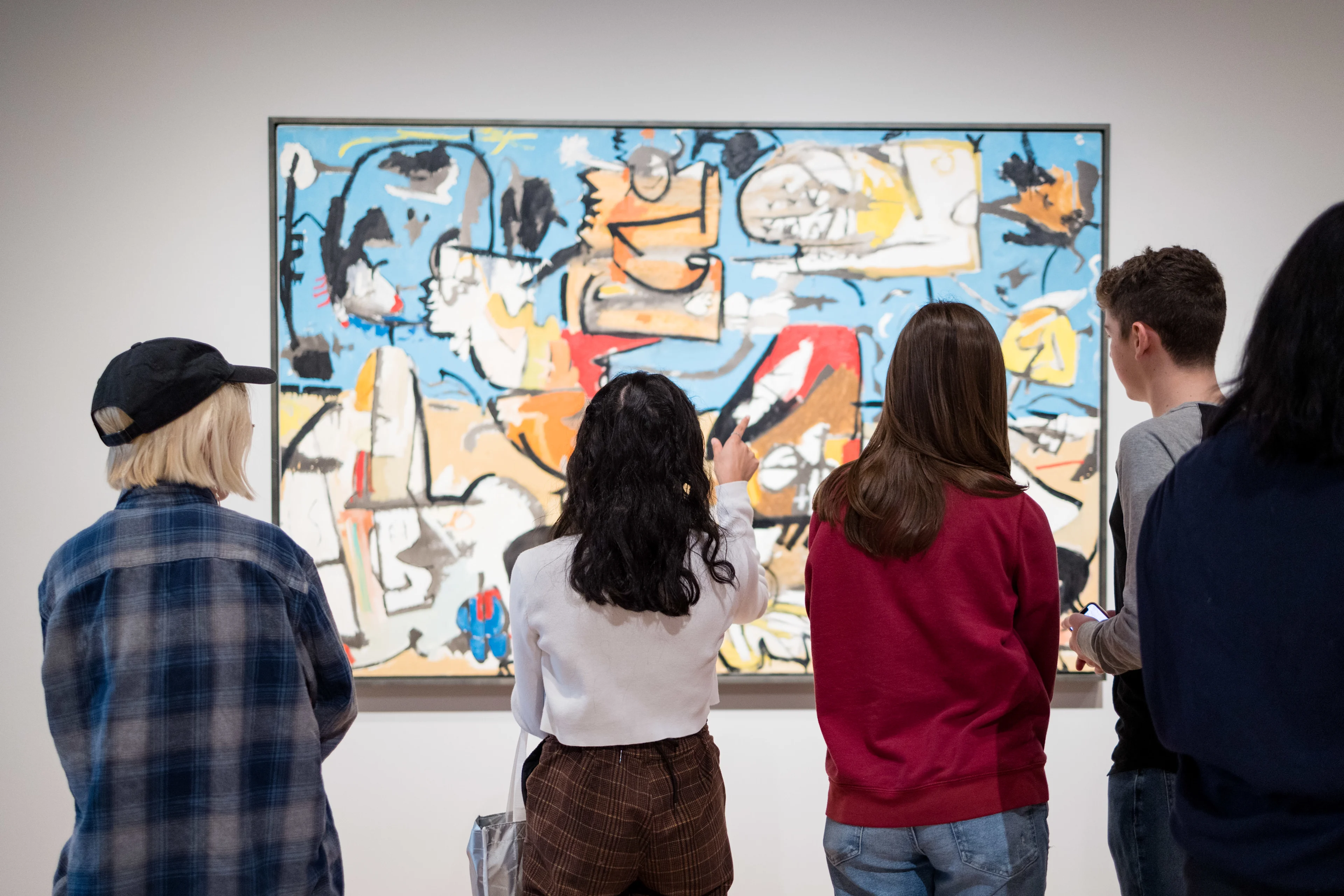
As a Crystal Bridges Museum of American Art initiative, developed in collaboration with Focus 5 teaching artists, these free three-day virtual residencies bring the America 250 celebration to classrooms across the nation. Grounded in the Crystal Bridges collection, each residency blends art, history, STEM, and hands-on making to help students connect with the American story—and their role in it.
What’s Included
Each virtual residency is hosted on Zoom and is three sessions in length. Each session is 60 minutes. The three sessions will happen within one school week (M-T-W,T-W-Th,W-Th-F or M-W-F) within one school week.
A minimum of 4 classes from each school (same grave level bands K-2, 3-5, 6-8, 9-12). If you don’t have 3-4 classes, we will pair you with another school.
A 30-minute orientation meeting with all participating teachers will happen prior to the residency to discuss all logistics and details.
Virtual Artist Residencies Catalogue
Tiny Toy Tales: Big Symbols
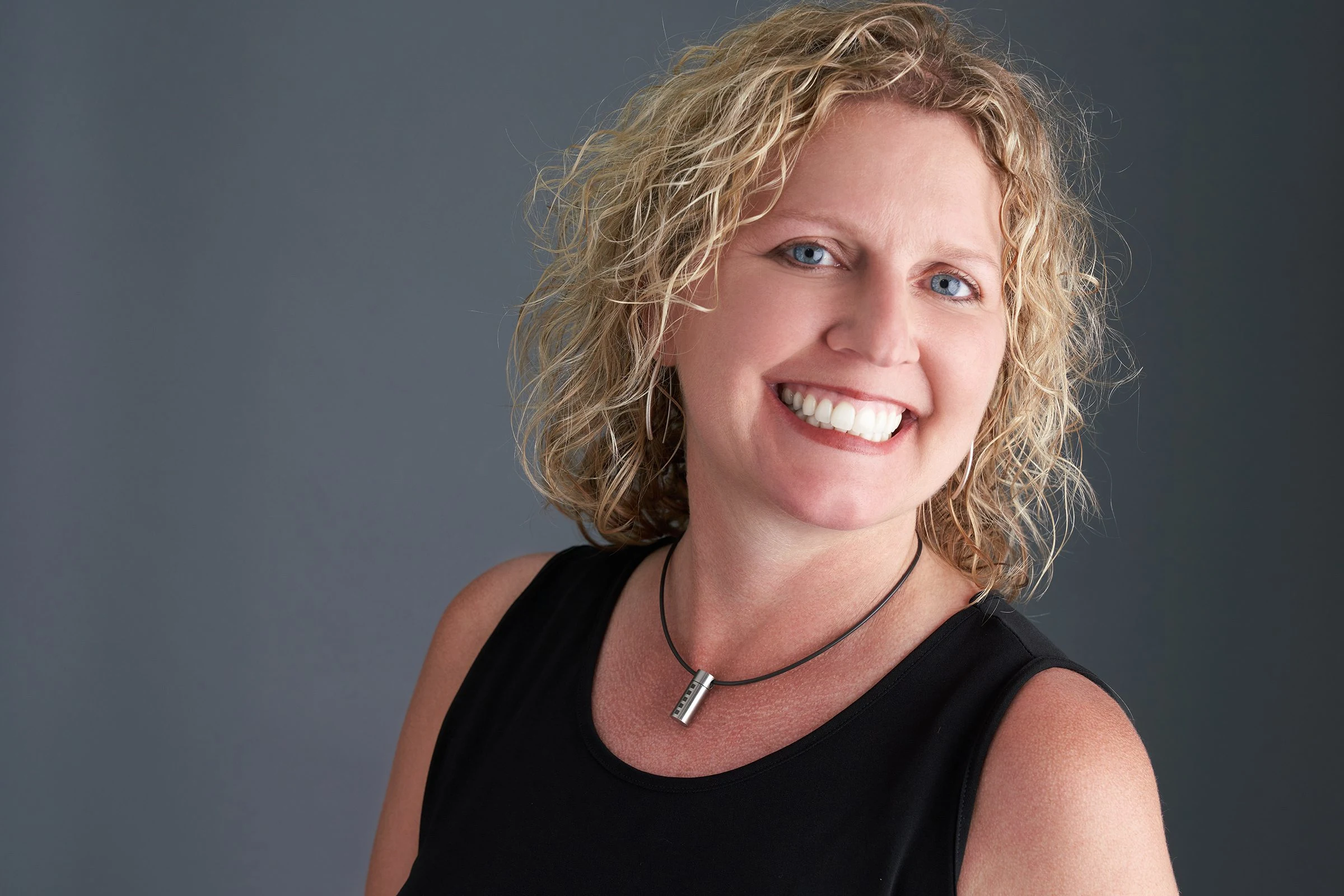
Grades K–2 | ELA and Visual Literacy
Kassie Misiewicz (Bentonville, Arkansas)
Celebrate America through storytelling, symbols, and folk art in this literacy-based three-day residency. Inspired by Grandma Moses, students explore her winter village scenes and bring them to life through a Tiny Toy Tale. With tiny toys, chants, and gestures, students participate in a cumulative tale where Grandma Moses visits landmarks in the painting, collecting American symbols for an exciting sled ride. The residency concludes with a collaborative retelling or symbolic art response. This experience supports sequencing, vocabulary, visual literacy, and joyful classroom connection—one snowy symbol at a time.
Lines and Shapes: Exploring Geometry Through Art
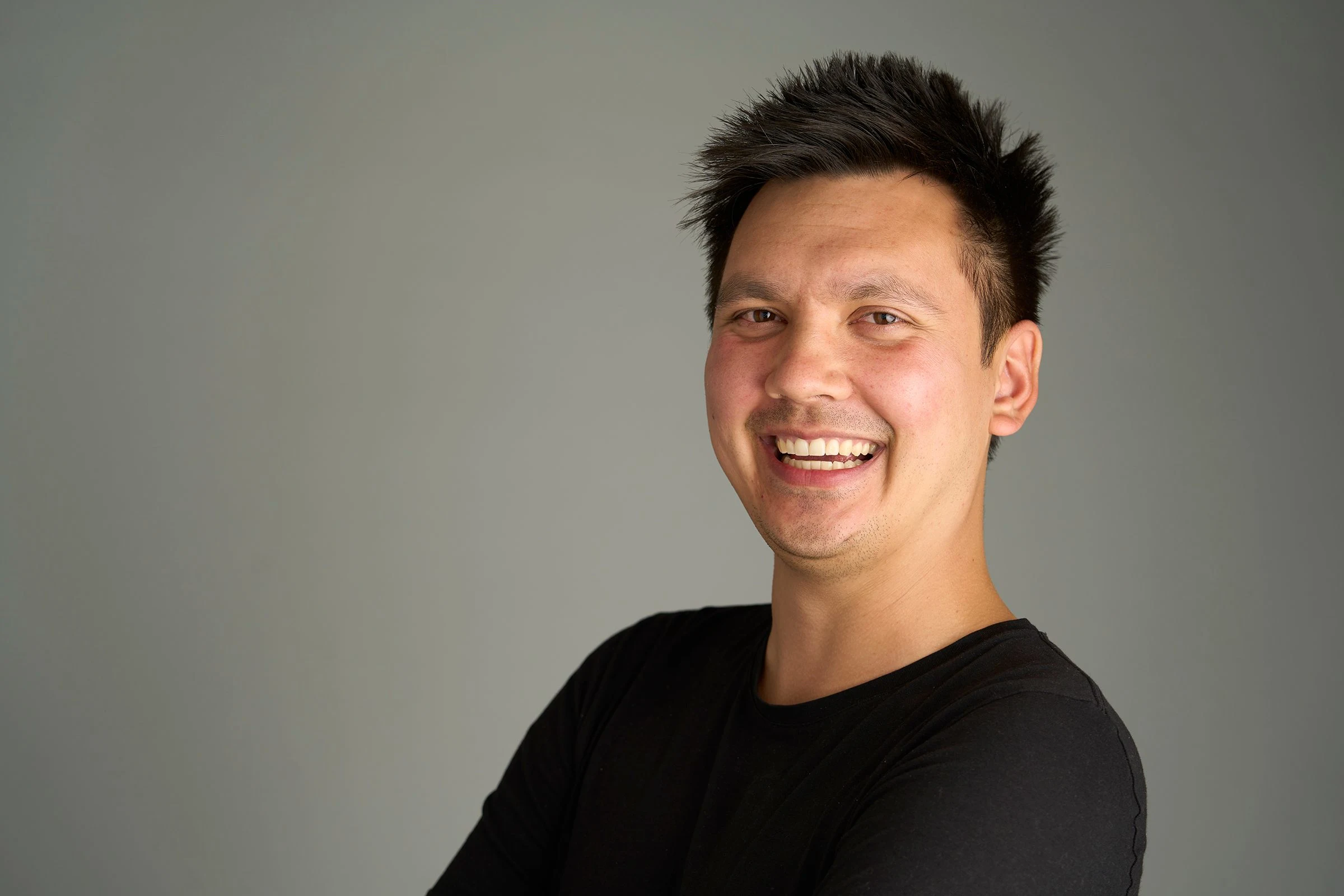
Grades K–2 | Math
Melanie Rick (San Diego, California)
Step into the artist’s studio and the mathematician’s world at once. In this residency, students explore how lines and shapes—the building blocks of both visual art and early mathematical understanding—also form the basis for writing numbers and letters. Through guided looking, discussion, and hands-on artmaking, students learn the vocabulary to identify and describe different types of lines and 2D shapes in works of art. Using these elements, they create abstract drawings and cut-paper compositions that invite every learner to unleash creativity while deepening understanding of geometry.
Looking for America: A Song of the Land
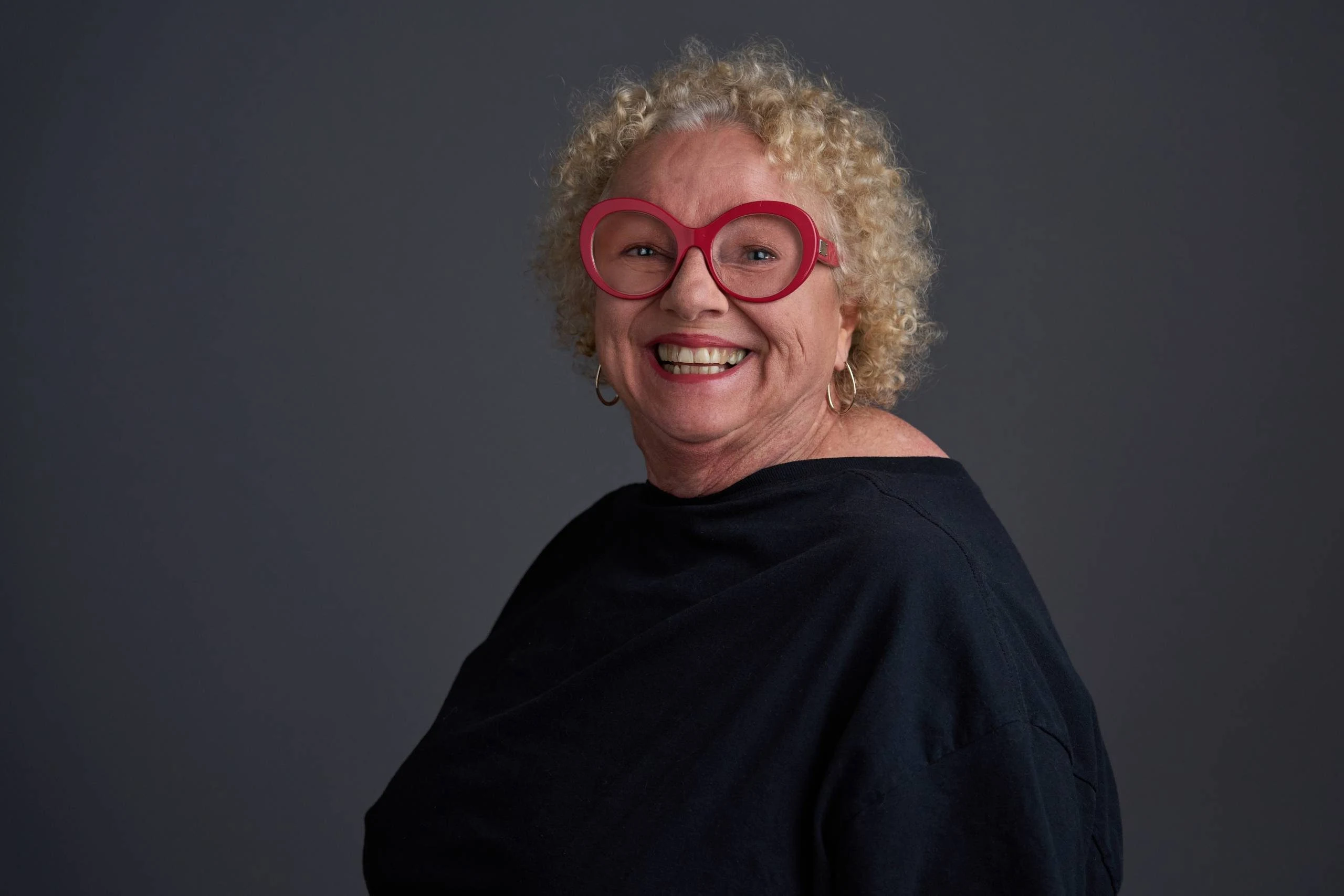
Grades K–3 | Science, Wellness
Sam Tidwell (Greenfield, California)
Inspired by landscape paintings from the Crystal Bridges collection, students will explore how artists capture the beauty and diversity of America’s rivers, mountains, deserts, and forests. Guiding them is teaching artist and naturalist Sam Tidwell, who once walked across America and experienced these landscapes firsthand. His journey encourages students to step outside, notice the natural world, and embrace wellness through walking. Building on this spirit, students will reimagine Woody Guthrie’s This Land Is Your Land by writing new verses that blend creativity, observation, and personal connection—bringing America’s landscapes to life through song.
Drawing with Scissors: Portraits of the People
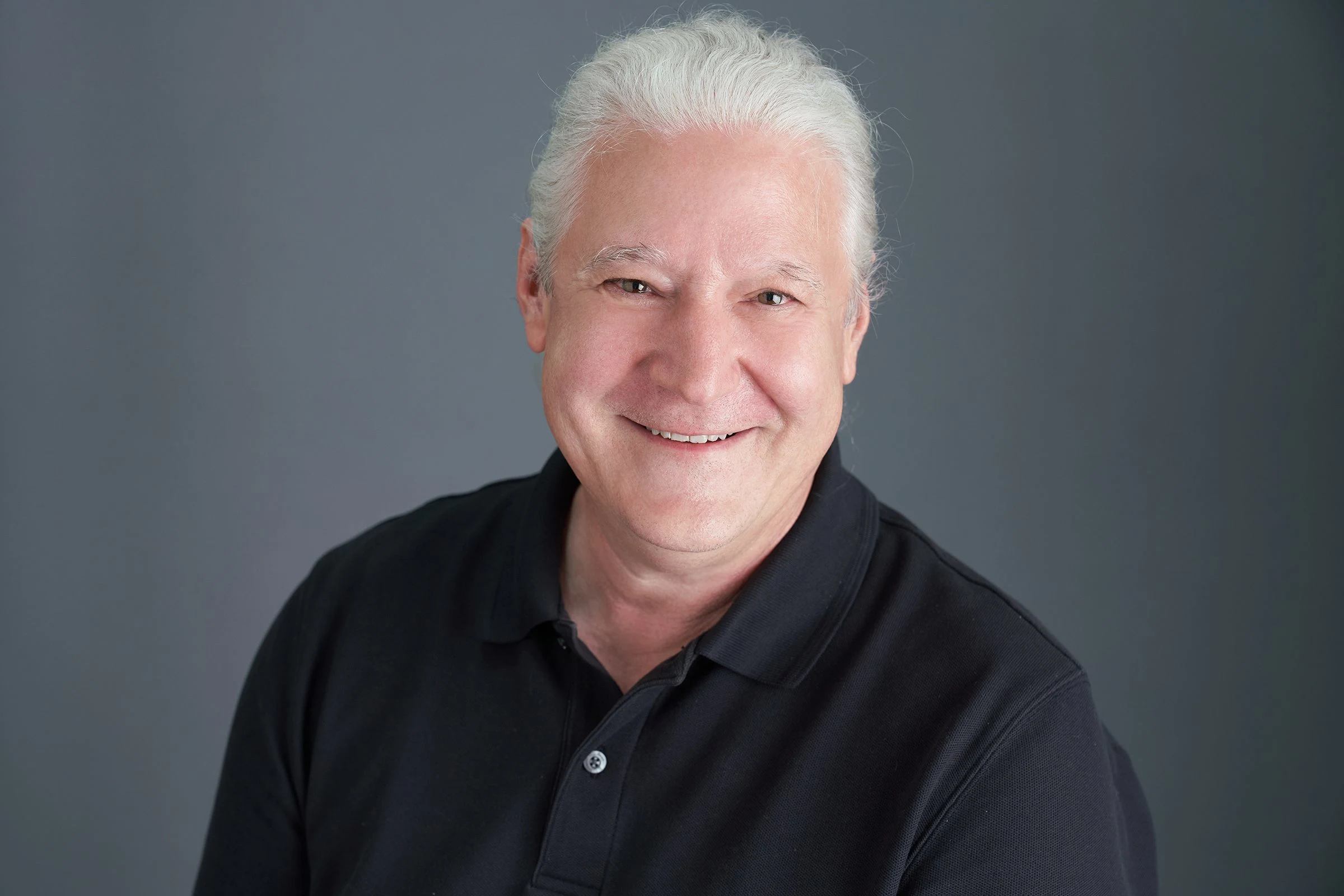
Grades K–12 | ELA and Social Studies/History
Kay Thomas (Texarkana, Texas)
Inspired by the portraits and stories in the Crystal Bridges collection, students will create images of everyday Americans, community heroes, and historic figures whose stories invite commemoration. Using a simple paper cutting technique and a variety of materials, students learn to produce very accurate portraits that can be utilized in multiple lessons. Along the way, they’ll explore how portraiture preserves history and sparks dialogue, while developing artistic skill and historical empathy.
Warhol’s Wild Adaptations
Grades 3–5 | Science
Harlan Brownlee (Kansas City, Missouri)
Andy Warhol, a pop art icon, made the ordinary unforgettable by turning animal portraits into icons. Among them is the American Bald Eagle, an enduring national symbol. In this three-day high-engagement residency, students investigate how Warhol adapted and abstracted images in his animal series—and ask: How do animals adapt to survive, and how can we abstract that idea into movement? Studying the two strategies of adaptation and abstraction, students will create original movement phrases that embody real animal adaptations. The result is pop-art thinking meets life-science insight—students don’t tell you what an adaptation or abstraction is; they show you.
National Ballad: The Pros and Cons of Industrialization
Grades 4–6 | Social Studies, History
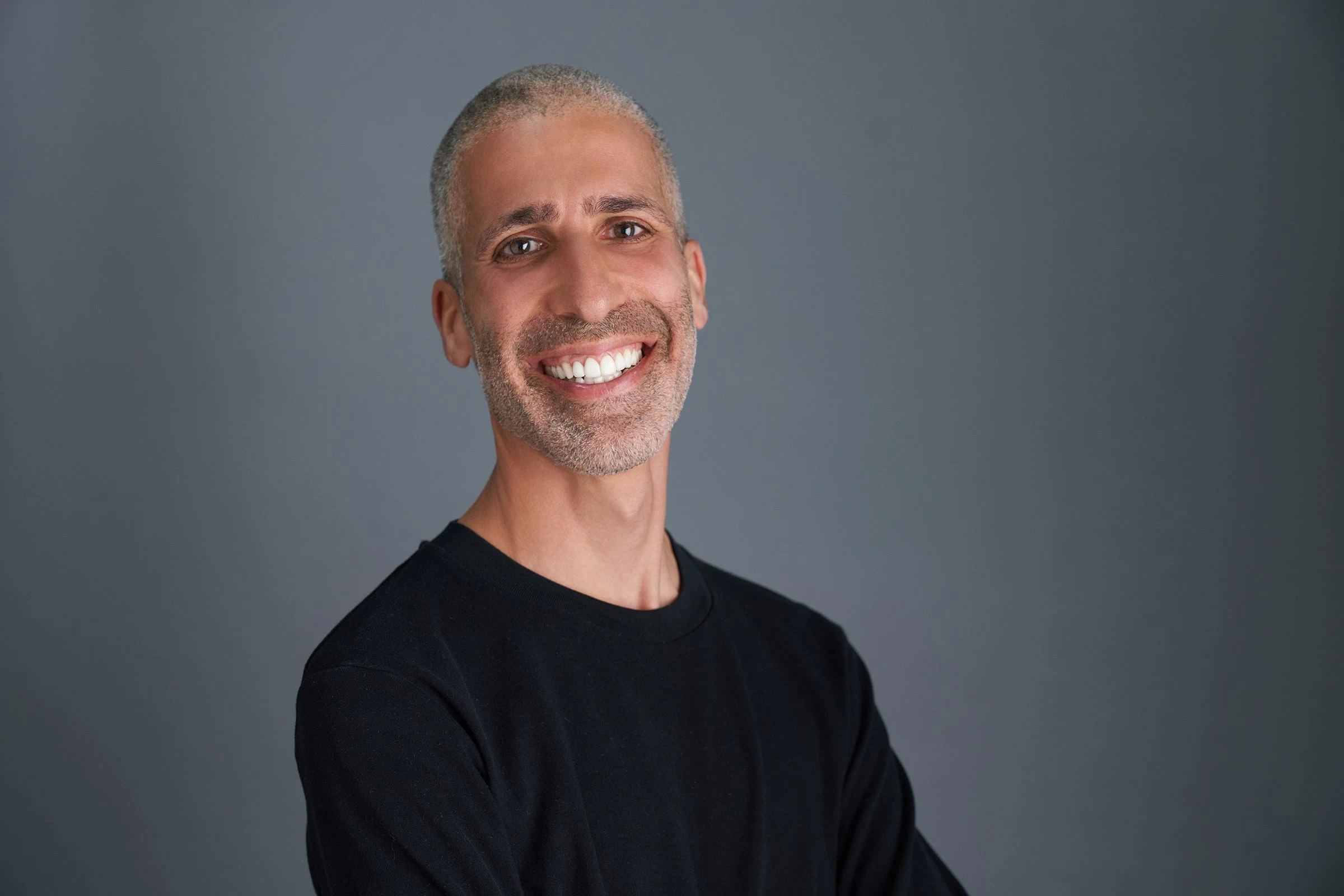
Sam Tidwell (Greenfield, California)
Inspired by the Labor and Industry collection at Crystal Bridges, students will explore the story of American industrialization through songwriting. They will examine depictions of work on railroads, in oil fields and coal mines, and on towering skyscrapers, noticing how artists captured both the pride of progress and the reality of long hours, unsafe conditions, and unfair treatment. Together, students will write original verses that balance these perspectives, creating a song that honors both the achievements and the struggles of America’s industrial age.
George Washington: A Change-Maker in Light and Shadow
Grades 3–8 | Social Studies/History
Daniel Barash (Berkeley, California)
Students use shadow puppetry to explore the life of George Washington—from his Virginia childhood to his leadership in war and government, and finally, to the questions that continue to confound his sweeping story. Through the timeless art of shadow puppetry, students transform history into living images on an illuminated screen. As they bring Washington’s story to light, they practice visual storytelling, discover the courage and determination behind America’s founding, and ask difficult questions along the way.
The Eagle Illuminated: America’s Symbol in Shadow Puppetry
Grades 3–8 | ELA and Social Studies/History
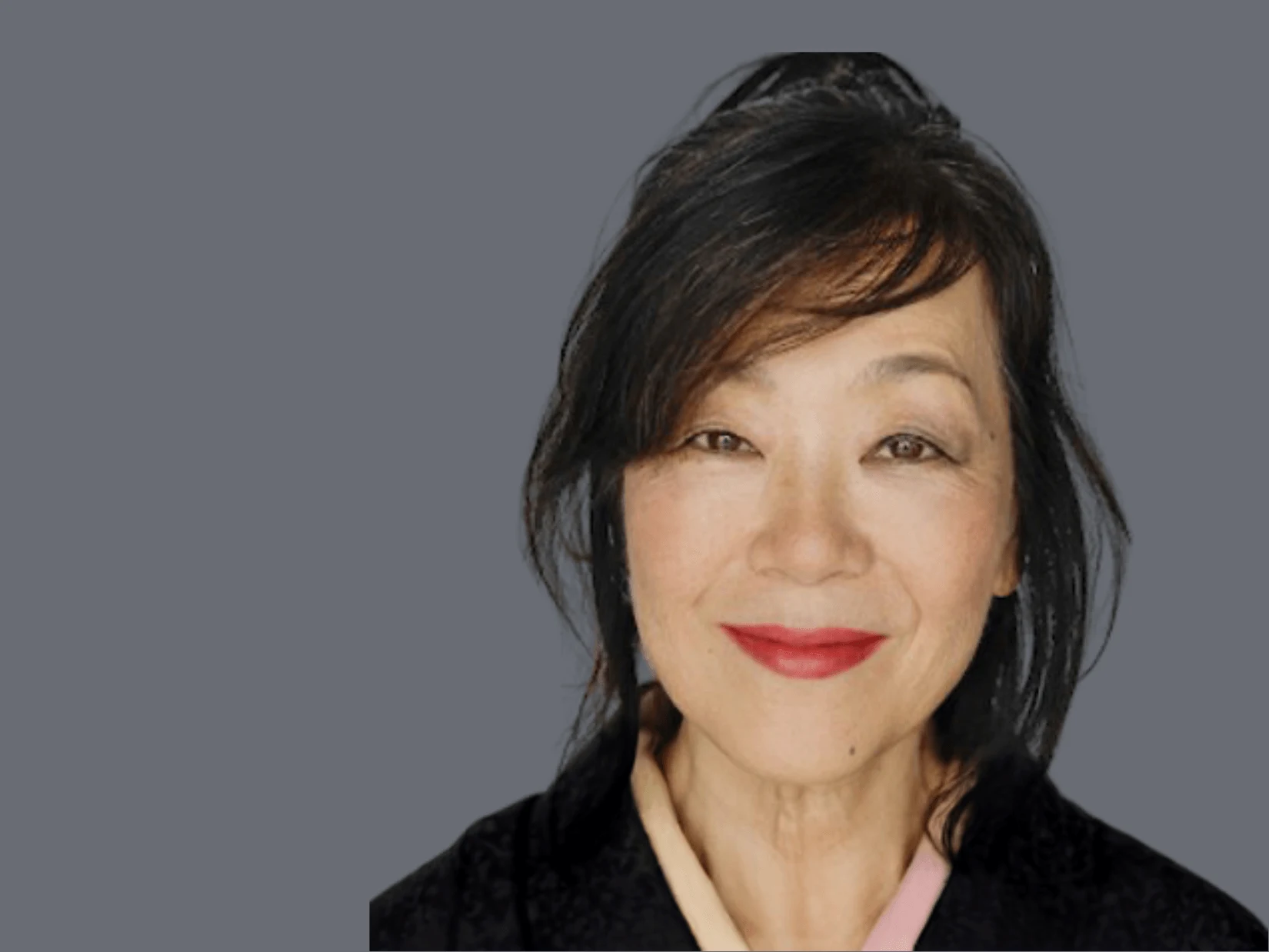
Daniel Barash (Berkeley, California)
Students use shadow puppetry to explore the story behind America’s most iconic symbol. From spirited debates among the nation’s founders about which bird best represented the new country, to the eagle’s rise as an emblem of freedom and strength, to more recent efforts to protect this majestic species. Through light and shadow, students practice visual storytelling, explore American history and symbolism, and discover something new about a nation’s soaring spirit.
We the People: Folded into One
Grades: 3–8 | ELA and Social Studies/History
Kuniko Yamamoto (Sarasota, Florida)
Inspired by Nari Ward’s We the People—crafted from colorful shoelaces donated by the community—students will explore how symbols tell America’s story. Looking closely at works from Crystal Bridges featuring stars, eagles, and people, they’ll discover how artists use imagery to represent ideas. Guided by an origami artist, each student will fold red, white, and blue stars, eagles, and figures. Together, the class will then choose a phrase that expresses what America means to them and arrange their origami to spell it out, echoing Ward’s vision. In the end, every fold will unite into one powerful message of community and meaning.
Painting America’s Blues: Jacob Lawrence in Story and Song
Grades 4–8 | ELA and Social Studies/History
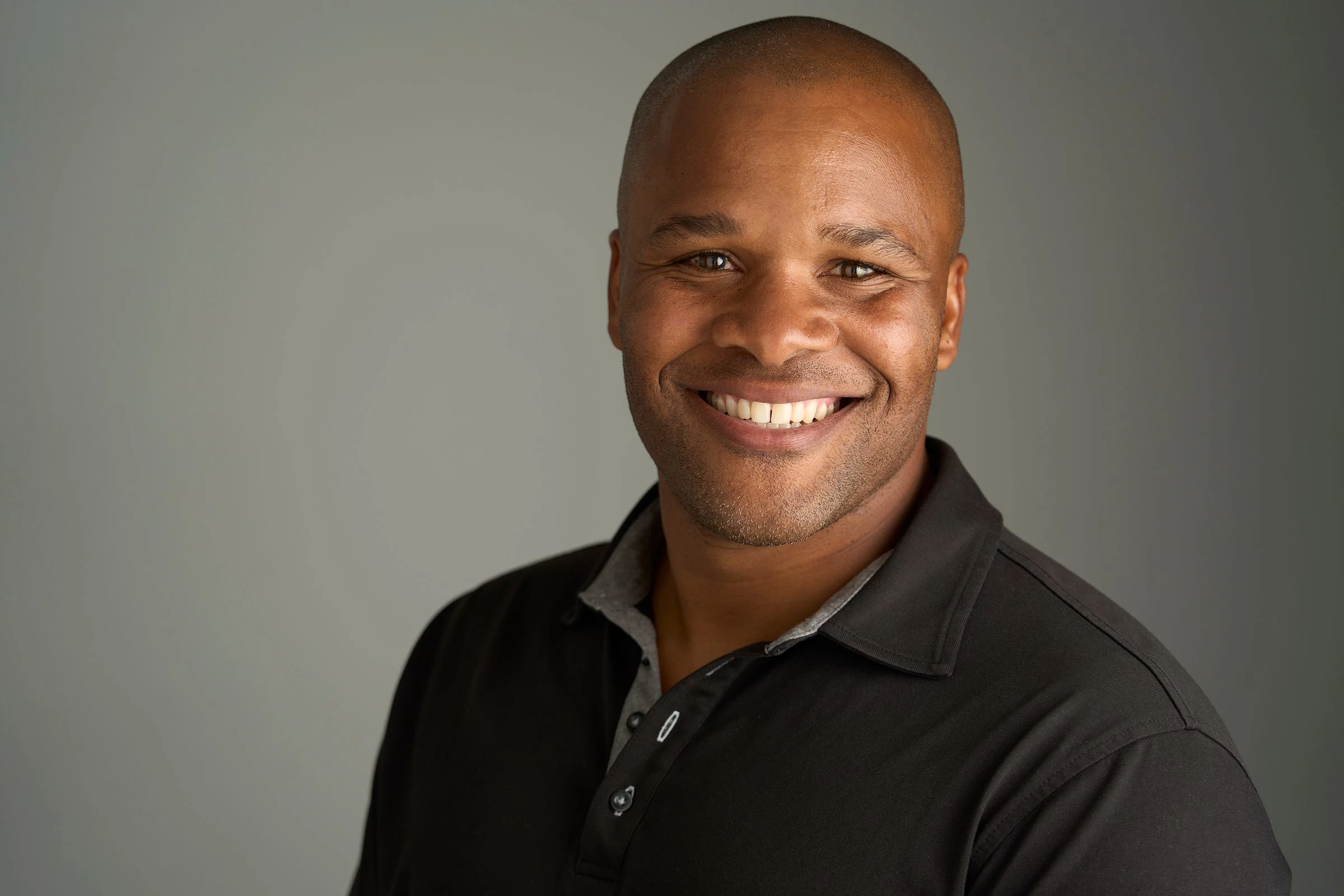
Imani Gonzalez (Washington, D.C.)
Students step into Jacob Lawrence’s vivid world and bring his painted stories of American life to the stage through music. They will explore the blues—an art form rooted in African American experience and central to the nation’s cultural identity—while uncovering stories within Lawrence’s neighborhood scenes. Working together, students will craft verses in the traditional blues form of AAB and unite their voices in a performance that blends visual art and song, revealing how both painting and blues give voice to America’s struggles, resilience, and community.
United Sounds of America: Pollock and Percussion
Grades 3–12 | ELA and Math
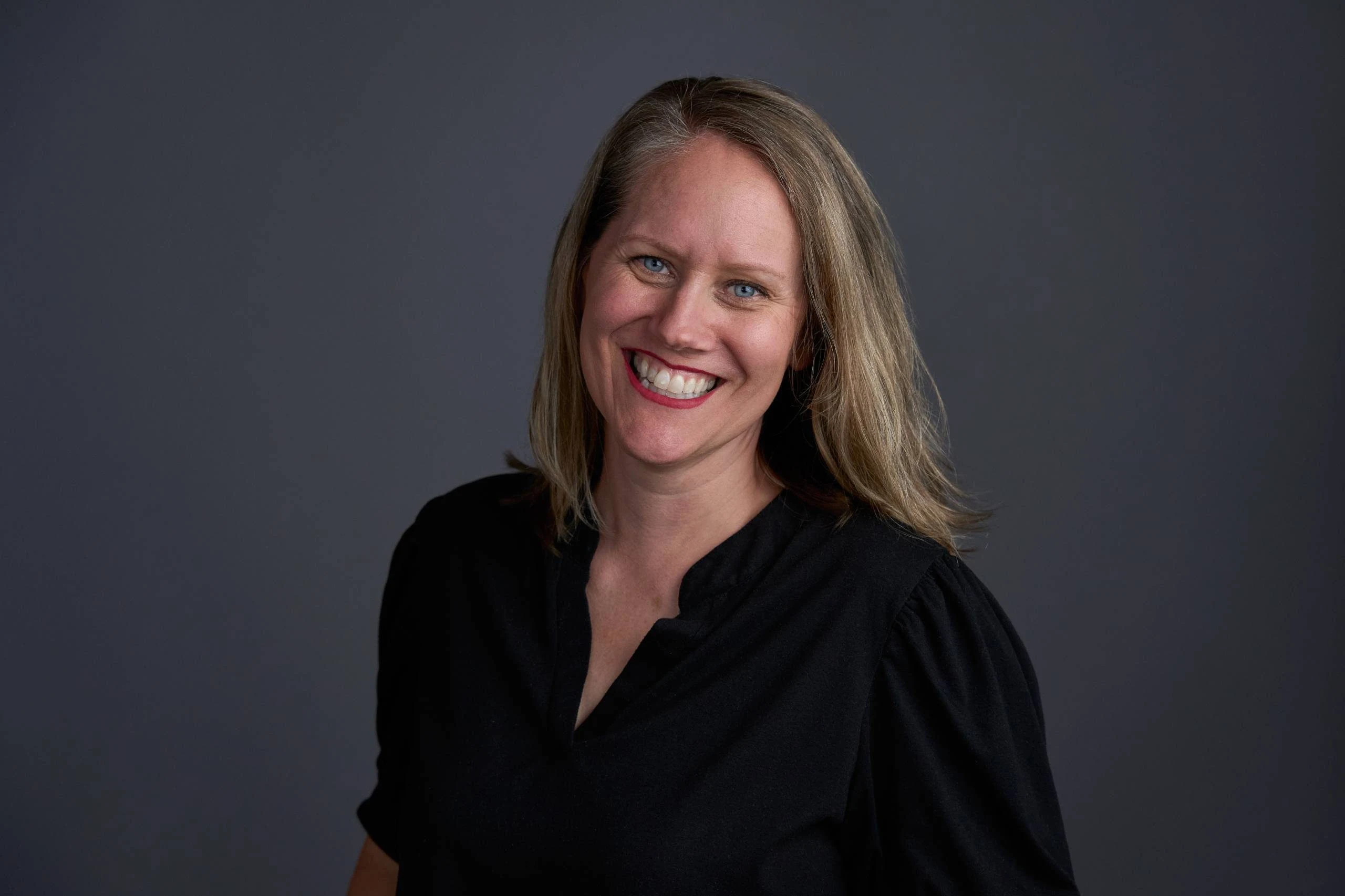
Jason Nious (Las Vegas, Nevada)
Inspired by Jackson Pollock’s Number 30 (Birds of Paradise), students explore how his layered colors reflect the diverse cultures and communities that shape America. Guided by a professional body percussionist, students learn to use their bodies as instruments— stomps, claps, snaps, and simple vocal sounds—to explore how rhythm can tell a story. Each small group creates its own rhythmic “layer” of America, and together these layers build into a unified sound painting. The residency culminates in a collaborative percussive portrait of America—diverse, dynamic, and united in rhythm.
From Art to Argument: Using Visual Literacy to Strengthen Writing
Grades 3–8 | ELA and Social Studies/History
Paige Whelan (Boise, Idaho)
Want stronger student writing with clearer evidence and reasoning? Start with the power of pictures. In this residency, students learn to “read” artworks from the Crystal Bridges collection by observing details, making inferences, and citing evidence. They then respond to a prompt about America—from navigating hardship to celebrating community and teamwork—using the art as their reference texts. The result: short essays that build claims with clear evidence, stronger critical thinking, and deeper reflection on the American experience.
FAQS
Are the residencies aligned to state standards?
Yes. All experiences are designed with state-aligned curriculum standards in mind and connect to a range of STEM and humanities subjects.
How long is the virtual residency?
Each residency includes three Zoom sessions, typically 60 minutes each (K–2 sessions may be 45 minutes). All three sessions take place within the same school week.
What is the scheduling format?
Sessions run on a set three-day schedule such as M–T–W, T–W–Th, W–Th–F, or M–W–F.
How many classes can participate?
A minimum of four classes per school is required within the same grade band (K–2, 3–5, 6–8, or 9–12). If your school has fewer than four classes, we’ll pair you with another participating school.
Is there a teacher orientation?
Yes. A 30-minute orientation meeting will be held with all participating teachers before the residency to review logistics and expectations.
Is the virtual residency free?
Yes. The program is completely free for all participating schools.
Who can participate?
The residencies are open to public, private, and charter schools, as well as homeschool groups, in all 50 states and U.S. Territories.
About Focus 5, Inc.
Focus 5, Inc. provides high-quality, professional learning opportunities and program consulting focused on aligning arts integration, best instructional practices, and current thinking in the field of arts and education. We collaborate and consult with teachers, teaching artists, schools, school districts, arts organizations, arts commissions, arts councils, and museums around the USA and internationally. We are in classrooms on a daily basis to keep our work refined, relevant, and effective in the ever-growing and evolving field of arts integration and education. We seek to be a national leader in the field of arts integration and educational consulting with a team of personable experts dedicated to high-quality education for all young people. Our consulting staff includes National, Board-Certified teachers, professional artists, teaching artists, arts integration specialists, a technology specialist, and a reading specialist.